
Is a Memorial Villages Lot Right for an Investor?
By Future Real Estate, Future Real Estate ·
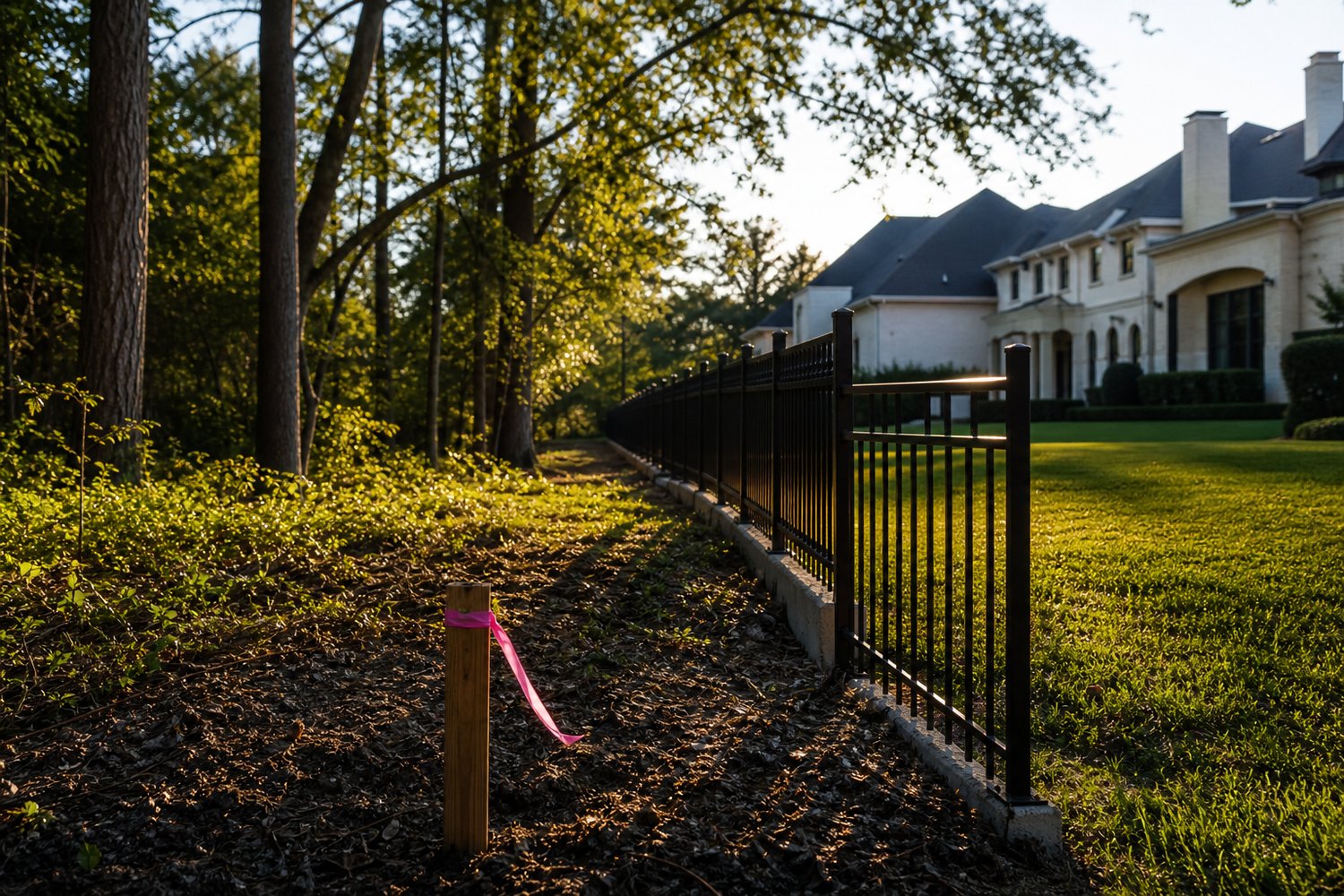
Start with the parcel, not the pro forma. Confirm which city the lot sits in, then test setbacks, easements, flood elevation, drainage, and permit requirements against your intended use. If the land can't support the plan on paper, the purchase price never gets a vote.
Is a Memorial Villages lot right for an investor?
A Memorial Villages lot right for an investor is one where the parcel itself, not the spreadsheet, supports the plan. Jurisdiction, setbacks, easements, flood elevation, and drainage decide how much of the land you can actually use, and you need to test those facts before you commit to a use or a budget.
Key Takeaways
- Piney Point Village generally limits building height to 35 feet above natural grade, and where flood rules require a raised first floor, the measurement is taken from that elevated base.
- Memorial Villages is five separate municipalities (Piney Point Village, Hunters Creek Village, Bunker Hill Village, Hedwig Village, and Spring Valley Village), and Memorial Close In may include parcels outside all of them, so the lot's legal city or unincorporated status controls which rules apply.
- Piney Point Village requires a permit before a structure is erected, moved, added to, or structurally altered, so no lot should be underwritten as automatically buildable.
- Gross acreage overstates what you can build, because setbacks, easements, floodplain limits, tree requirements, and drainage facilities all take usable area.
Which city is the lot in, and why does that come before price?
The legal city (or unincorporated status) of the parcel comes first because each village writes and enforces its own rules. A price per square foot means very little until you know which ordinances sit on top of the land.
Why doesn't "Memorial Villages" on a listing tell you the rules?
It's a neighborhood label, not a jurisdiction. Piney Point Village, Hunters Creek Village, Bunker Hill Village, Hedwig Village, and Spring Valley Village are separate municipalities with different ordinances and processes. In my work with buyers across these villages, the first thing I confirm on any lot is the exact city, because an assumption that holds in one village can fail one street over.
What about Memorial Close In?
Memorial Close In is where I slow investors down the most. Some properties there may sit outside the municipal boundaries entirely, which changes who regulates the parcel and which approvals apply. Confirm the legal status before you rely on any zoning, tax, drainage, or permitting assumption.
Do tax and value figures carry from one village to the next?
No, and mixing them is an easy underwriting mistake. Bunker Hill Village approved a 2026 tax rate of $0.271 for fiscal year 2027, and that figure belongs to Bunker Hill Village only. It shouldn't be applied to parcels in the other villages or in Memorial Close In.
Authority-level numbers also don't price a lot. The Harris Central Appraisal District's second-quarter 2026 allocation report lists Memorial Villages Water Authority assessed value at $7,323,699,145. That is an authority-wide appraisal figure, not the value of any single lot and not a substitute for parcel-level appraisal or comparable-sales analysis. If you want a sense of how the villages differ before you narrow a search, my guide to neighborhoods in the Memorial Villages is a good starting point.
How much of the lot can you actually build on?
Usually less than the acreage suggests. Setbacks, roadway and utility easements, floodplain and floodway limits, tree-preservation requirements, driveways, drainage facilities, and impervious-cover limits can all shrink the area available for the improvement you have in mind.
Here's the checklist I run before an investor builds a thesis around a parcel:
| Parcel check | What it can change | Where to confirm |
|---|---|---|
| Legal jurisdiction | Which ordinances, tax rate, and permit path apply | County records and the city or village |
| Setbacks and easements | Usable footprint and driveway placement | Survey and title materials |
| Floodplain and floodway status | Required first-floor elevation and where improvements can sit | City floodplain review and a drainage engineer |
| Height limits | Number of stories and overall design | City zoning ordinance |
| Water authority input | Service and approval steps before construction | Memorial Villages Water Authority |
| Permit requirements | Whether the proposed structure can be approved at all | City building and permitting office |
Does building height change when flood rules apply?
Yes. Piney Point Village generally limits building height to 35 feet above the lot's natural grade, but where flood regulations require the first-floor base elevation to be raised, the height is measured from that elevated base, not necessarily from original grade. The details are in Chapter 74 of the Piney Point Village Code of Ordinances. For an investor, that means a floodplain finding can quietly change the design envelope and the numbers that depend on it.
Do floodplain and drainage findings belong in the first week?
They do. Piney Point's drainage materials call for engineering and flood-elevation analysis, so I treat a drainage engineer's early read as part of evaluating the land, not a later step. A lot that looks open and flat can carry restrictions that only show up once someone studies the site.
Can you add a guest house, pool, tennis court, or other detached structure?
Possibly, but don't assume it. Piney Point Village requires a permit before a building or other structure is erected, moved, added to, or structurally altered, and the same discipline applies to every village. Test each accessory structure in your plan against that city's zoning and permitting rules before you close, not after.
What makes a Memorial Villages lot right for your plan?
A match between what the parcel can support and what you intend to do with it. The Memorial Villages lot right for a custom build to sell is not necessarily the one right for a long hold, and neither works if the buildable area falls short of the design.
If you're thinking about a custom build or a major upgrade here, research the local requirements before you design around assumptions. A plan drawn first and tested later is how investors end up redesigning on their own dime.
What does a property-first sequence look like?
- Confirm the parcel's jurisdiction and any recorded restrictions.
- Obtain a current survey and the title materials.
- Complete a zoning and floodplain review.
- Develop a preliminary site and drainage plan.
- Get input from the Memorial Villages Water Authority.
- Address any variance or outside-agency review.
- Submit complete architectural, engineering, and permit materials.
No source gives a universal number of days for this sequence, and I won't invent one. Approvals drive the timeline, which means your holding period and carrying costs are only as reliable as your read on each step.
Which assumptions should an investor stress-test?
- Use: is the structure you're underwriting permitted on this parcel?
- Footprint: how much area remains after setbacks, easements, and drainage requirements?
- Elevation: do flood rules raise the first floor and change the height math?
- Sequence: which approvals sit on the critical path before you can start?
- Exit: does the finished product still make sense for the parcel as it will actually be built?
Your numbers depend on the specific parcel, and that's where local analysis does the work a listing can't. Lot pricing and development costs vary by site, so I build them parcel by parcel with you rather than quote a range here. My team at Future Real Estate covers all seven of these areas, which helps when a search crosses village lines and the rules change at the boundary. For the wider picture on timing and pricing across Houston, my read on the current Houston real estate landscape adds context, but the parcel still has to carry the decision.
You can read what past clients say about working with me on Zillow.
FAQ
Can I build on a vacant lot in Piney Point Village?
Possibly, but only after the city approves the proposed use and issues a permit. Piney Point Village requires a permit before a building or other structure is erected, moved, added to, or structurally altered, so test your plan against its zoning and permitting rules before you buy.
Is a Memorial Villages lot automatically buildable?
No. Each village has its own ordinances, and setbacks, easements, flood limits, and drainage requirements can reduce or block what you can build. Confirm the parcel's legal city or unincorporated status first, then test your specific plan.
How do floodplain and floodway rules affect a Memorial Villages lot?
They can change where you build and how high the first floor sits. In Piney Point Village, if flood rules require a raised first-floor base, the 35-foot height limit is measured from that elevated base, so the design envelope can shift. A drainage engineer's review early in due diligence keeps you from learning this after closing.
Can I build a guest house, pool, tennis court, or detached structure on a Memorial Villages lot?
It depends on the village and the parcel, and each structure needs approval before construction. Check each one against that city's zoning and permitting rules, and confirm the lot has enough usable area left after setbacks, easements, and drainage requirements.
How can I verify whether a lot has enough usable area?
Start with a current survey and the title materials, then layer on a zoning and floodplain review and a preliminary site and drainage plan. Those documents show setbacks, easements, and restrictions, which is what turns gross acreage into buildable area.
Ready to test a parcel before you commit?
The core idea is simple: a lot earns a place in your portfolio by what it can support, and the plan comes second. If you're weighing a specific parcel in the Memorial Villages or Memorial Close In, I'll help you sort the jurisdiction, site, and approval questions before you write an offer. Schedule a consultation and we'll walk the parcel together, or request a free home evaluation if you already own property here and want to understand its value.
Equal Housing Opportunity. Morad Fiki, Future Real Estate | License# 9008399. Regulated by the Texas Real Estate Commission. This article is general information, not legal, tax, or financial advice; confirm your own numbers with your closing agent, tax advisor, or lender. All information is deemed reliable but not guaranteed and should be independently reviewed and verified.