
Selling Your Pacific Grove Home Remotely
By Carmel Luxury Group, Carmel Luxury Group at Coldwell Banker Realty ·
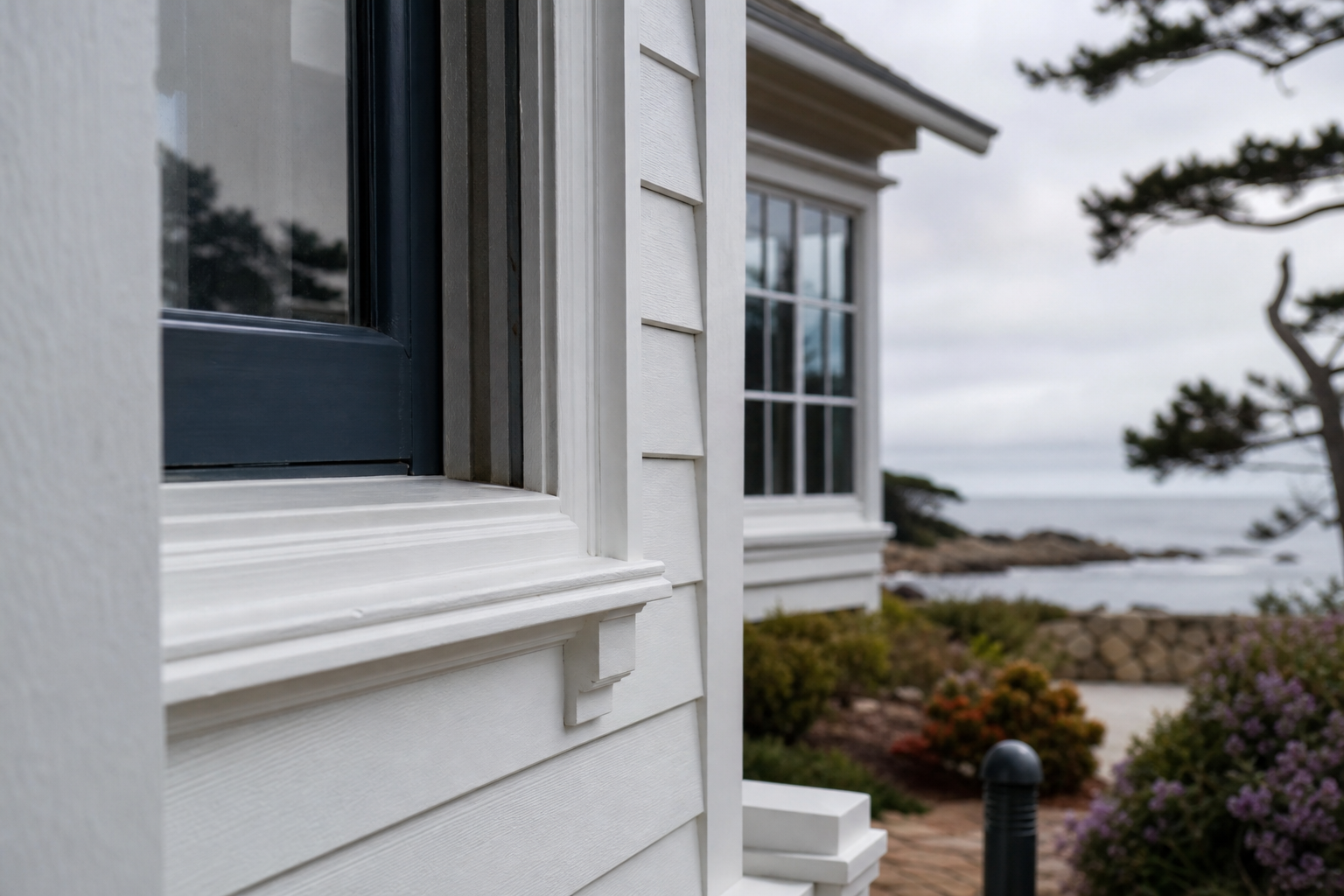
Yes, you can sell your Pacific Grove home without being present. A local listing representative handles property access, vendor coordination, inspections, and showings while your title company manages closing logistics, including remote or electronic signing options for out-of-state and international sellers.
Can I sell my Pacific Grove home if I live out of state or can't be there in person?
Yes. Selling a Pacific Grove property from a distance is entirely workable when you have the right local team in place. A listing representative handles the on-the-ground work, property walk-throughs, vendor coordination, inspection attendance, and showing management, while your title company manages the transaction, document delivery, and closing logistics, including remote signing options for sellers outside California.
Key Takeaways
Recent local market data shows the Pacific Grove median sale price at $1,164,000, with homes taking a median of 54 days to sell, context that shapes how a remote seller should plan their timeline.
A well-structured remote sale runs on three parts: a local listing representative for property and market work, a title company for transaction and signing logistics, and vetted local vendors for preparation and repairs.
You do not need to return to Pacific Grove to sign closing documents, California allows electronic notarization and traveling notaries, and title companies routinely coordinate out-of-area and international signing; confirm the method early with your escrow holder.
Pacific Grove's older coastal housing stock makes pre-listing attention to exterior paint, wood components, decks, drainage, and moisture conditions especially important, a local representative can assess these before you commit to a preparation budget.
Setting a written spending threshold and requiring before-and-after photos, invoices, and warranties from every vendor gives you full approval control without being on-site.
How does a remote sale actually work in Pacific Grove?
William has managed remotely coordinated sales for out-of-area owners for years, and the process is more structured than most sellers expect. The key is replacing your physical presence with a clear system, documented authority, written approval thresholds, and a local representative who functions as your eyes and ears throughout.
The most practical arrangement is a three-part team. First, a Pacific Grove listing representative who can physically visit the property, meet vendors, attend inspections, and report back with photographs and video. Second, a title company that coordinates all transaction logistics, document delivery, payoff instructions, signing arrangements, recording, and disbursement. Third, a roster of vetted local vendors: cleaners, landscapers, painters, contractors, stagers, and photographers who can be scheduled and supervised without the seller ever needing to appear.
What makes this work is documentation at every step. Before any work begins, William walks clients through setting a written spending threshold for routine items and a separate approval process for anything larger. Every vendor provides before-and-after photographs, invoices, and applicable warranties. Nothing moves forward without the seller's sign-off, delivered by email or through an electronic transaction platform.
The preparation sequence that protects your investment
William's approach to a remote listing follows a deliberate order, because the decisions made before the property goes on the market have a direct impact on the final result. A rushed or poorly prepared listing, especially one managed from a distance, can cost far more in price reductions than the preparation would have.
A workable sequence looks like this:
Initial walk-through by the local representative, with a written condition report and photographs sent to the seller
Repair and maintenance recommendations, prioritized by impact on marketability and buyer perception
Written vendor bids submitted to the seller for approval
Seller approves work electronically; vendors are scheduled and supervised
Completion photos and invoices provided to the seller before the next phase begins
Cleaning, staging, and professional photography
Listing launch, showing coordination, and open-house scheduling
Inspection attendance, appraisal coordination, and repair-response management
Final pre-closing walk-through with a condition report to the seller
Pacific Grove's coastal housing stock demands extra attention
Pacific Grove's older neighborhoods sit directly in the path of Monterey Bay's marine layer, salt air, and seasonal storms. That coastal exposure accelerates wear on exterior paint, wood trim, decks, windows, and drainage systems in ways that aren't always visible in photographs. For a seller who hasn't been inside the property recently, the gap between what you remember and what a buyer's inspector will find can be significant.
William pays particular attention to exterior wood components, moisture-related conditions, deck and foundation drainage, and window integrity on Pacific Grove properties, not because these are universal defects, but because they are the conditions most likely to surface in an inspection and most likely to affect negotiations if they haven't been addressed in advance. A Pacific Grove historic home adds another layer of consideration, since older construction often carries deferred maintenance that compounds when a property sits vacant.
If the property has been vacant for any period, the remote plan should also include regular checks for leaks, plumbing issues, HVAC problems, storm damage, condensation, and unsecured entry points. William coordinates these checks as part of the listing management process. Sellers should also verify their vacant-home insurance coverage with their insurer before marketing begins, since coverage conditions vary by policy and vacancy periods.
How does closing work when the seller is out of state or abroad?
Closing logistics are the part of a remote sale that most sellers underestimate, and starting the conversation early makes a meaningful difference. The title company, not the listing agent, is the right party to confirm exactly how your documents will be executed, notarized, and returned in time for recording.
California allows several paths for out-of-area sellers. The California Secretary of State notes that electronic notarizations are permitted when the legal requirements for a traditional paper notarization are satisfied, though specific rules apply to real-estate documents. Beyond electronic notarization, options typically include a traveling notary at your location, signing at an out-of-area title office affiliated with the escrow holder, or, for sellers outside the United States, notarization through a consulate or an apostille process.
International sellers should start this conversation well before an offer is accepted. Identity verification, apostille requirements, courier timelines, and recording deadlines can all affect the closing schedule if they're addressed at the last minute. Your escrow officer should map out the signing path as part of the offer-acceptance discussion, not as an afterthought.
Before accepting any offer, William walks remote sellers through a closing-logistics checklist: the anticipated closing date, the signing method, payoff-document timing, possession date, and how keys, access codes, remotes, and personal-property instructions will be transferred. These are details that can derail an otherwise clean transaction when a seller isn't present to handle them in person.
What the current Pacific Grove market means for your timeline
Recent local market data shows the Pacific Grove median sale price at $1,164,000, with a median of 54 days on market. With 33 active listings and only 7 new listings added in the past 30 days, inventory is relatively tight, 47 homes sold in the past 90 days. That context matters for a remote seller because it shapes how much preparation time you realistically have before listing, and how quickly you may need to respond to offers and inspection requests once you're under contract.
For a broader read on how the Monterey Peninsula market moves through the year, Monterey Peninsula market seasonality is worth reviewing before you set your timeline. A remote sale with a compressed preparation window is manageable, but only if the coordination structure is in place before the listing goes live.
Pacific Grove Market Indicator Recent Figure Median sale price $1,164,000 Median days on market 54 days Active listings 33 New listings (last 30 days) 7 Homes sold (last ~90 days) 47
Source: Recent local market data, aggregated public listing activity, trailing ~90 days as of September 2026. Area-level figures; individual property values depend on condition, location, build year, and timing.
The right preparation timeline, pricing strategy, and offer-response window all depend on your specific property and situation. That's exactly the kind of planning William works through with remote sellers before anything goes on the market, and the conversation is most useful before you've committed to a timeline, not after.
If you'd like a current read on what your Pacific Grove property is worth and what a remote sale would look like in practice, schedule a home valuation consultation with William. You can also read what past clients have said about working with him on Google, Zillow, or Realtor.com.
Frequently Asked Questions
Can I sell my Pacific Grove house if I live in another state?
Yes, you can sell your Pacific Grove home from another state. A local listing representative handles the on-the-ground coordination, property access, vendor scheduling, inspections, showings, and the final walk-through, while your title company manages the transaction, document delivery, and a signing arrangement that works for your location. Most out-of-state sellers complete the process without returning to Pacific Grove at any point.
Do I need to return to Pacific Grove to sign the closing documents?
No. California permits electronic notarization for qualifying real-estate documents, and title companies routinely arrange traveling notaries, out-of-area signing offices, or consular notarization for sellers abroad. The method that works best for your situation depends on your location and the escrow holder's requirements, confirm the signing path with your title company early in the process, well before an offer is accepted, so there are no last-minute complications with recording deadlines.
Can a Pacific Grove real estate agent manage repairs and vendors while I'm away?
A listing representative can coordinate vendor access, collect bids, supervise work, and report back with photographs and invoices, but the authority to do so should be documented in the listing agreement or a separate written authorization. William's standard practice is to establish a written spending threshold with the seller upfront: routine items below the threshold move forward on approval by email, while larger repairs require explicit sign-off before any work begins.
Who will attend the inspection and appraisal if I can't be there?
Your listing representative can attend the home inspection, appraisal appointment, contractor visits, and the final buyer walk-through on your behalf. William attends these appointments for remote clients, then sends the seller photographs, video, written observations, and a clear list of action items. The seller receives the actual inspection report directly and approves any repair response before contractual deadlines pass.
How does remote escrow work when the seller lives outside California?
The escrow holder, a title company, coordinates all transaction logistics regardless of where the seller is located, including document delivery, payoff information, settlement instructions, recording, and disbursement. For sellers outside California, the key variables are identity verification, the notarization method (electronic, traveling notary, consulate, or apostille), courier timing, and recording deadlines. Start this conversation with your escrow officer as soon as you have an accepted offer, or ideally before, so the signing path is mapped out in advance.
What happens if repairs are needed after I've already left Pacific Grove?
Repairs that surface during inspection or that arise while the property is vacant can be managed entirely through your local representative. William coordinates contractor bids, sends the seller written proposals and photographs for approval, supervises the work, and collects invoices and completion photos, all without requiring the seller to return. The key is having a written approval protocol in place from the start, so repair decisions don't stall the transaction while waiting for a communication chain to resolve.
About William Smith
William Smith is a California-licensed real estate broker and Founding Broker of the Carmel Luxury Group at Coldwell Banker Realty, serving Pacific Grove, Carmel, Carmel-by-the-Sea, Carmel Valley, Monterey, Pebble Beach, Big Sur, Seaside, Marina, Salinas, and surrounding Monterey County communities. Licensed since 1990, William brings more than 36 years of experience and over 1,700 completed transactions to his work with buyers and sellers. His practice is strongly seller-focused, with particular depth in complex assignments, remotely managed estate sales, probate and trust properties, extensive pre-sale improvements, strategic pricing, and multiple-offer negotiations. Clients describe him as knowledgeable, patient, honest, and highly communicative, and his Zillow profile carries more than 50 five-star reviews.
William Smith, Founding Broker of the Carmel Luxury Group at Coldwell Banker Realty · (831) 626-2400
https://carmelluxurygroup.com/
Equal Housing Opportunity. William Smith, Founding Broker, Carmel Luxury Group at Coldwell Banker Realty, California DRE# 01064866. This article is general information only and does not constitute legal, tax, or financial advice. Confirm closing costs, tax obligations, and signing requirements with your title company, tax advisor, or lender.