
Selling Oceanfront Property in Pebble Beach
By Carmel Luxury Group, Coldwell Banker Realty ·
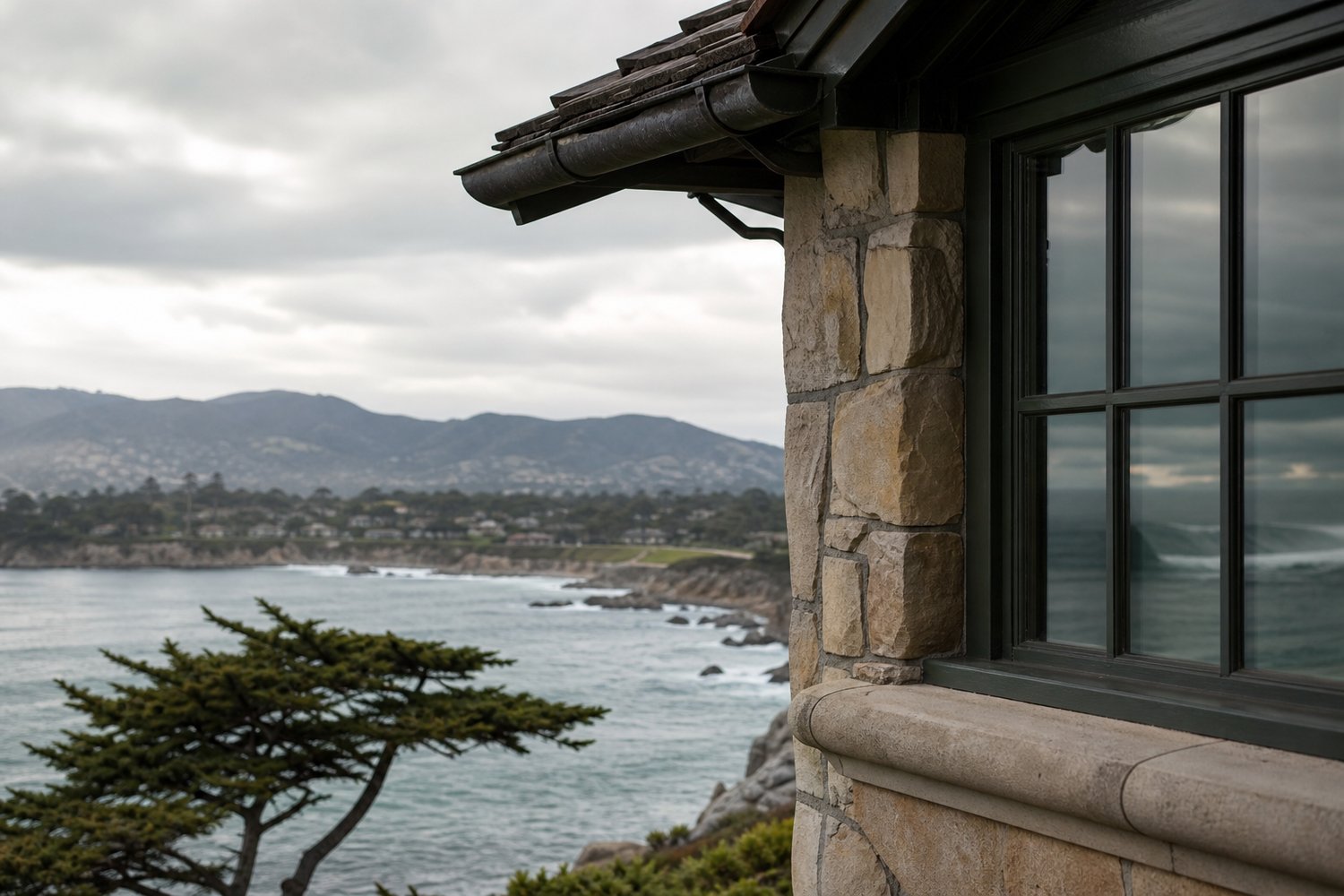
Selling oceanfront property in Pebble Beach takes more preparation than a typical luxury sale. Expect parcel-specific coastal documentation, separate pricing for exposure, access, and privacy, a closer look from insurers and lenders, and a longer, more technical buyer review. Sellers who assemble their records before listing keep control of the process.
What should you expect when selling oceanfront property in Pebble Beach?
Selling oceanfront property in Pebble Beach means preparing for a more technical buyer review than you'd see on an inland luxury home. Expect questions about bluff and shoreline conditions, insurance, wildfire exposure, and any seawall or access structures, along with pricing that treats your home as an individual asset rather than a line on a comparables sheet. William Smith of Carmel Luxury Group walks sellers through each of these before the home ever reaches the market.
Key Takeaways
- Pebble Beach sits in Del Monte Forest, an unincorporated part of Monterey County, so county agencies rather than the City of Carmel-by-the-Sea govern many permitting, fire, and land-use questions.
- Oceanfront, bluff-edge, ocean-view, and inland comparables must be priced separately, because exposure, access, insurance, and maintenance differ for each.
- Buyers, insurers, and lenders will look hard at defensible space, roof and exterior materials, drainage, and any shoreline structure, so organized records shorten the review.
- A seawall, revetment, or private stairway has its own ownership and repair questions, and a listing should never imply it can automatically be rebuilt or enlarged.
- Carmel-by-the-Sea figures are not Pebble Beach figures, and broad Pebble Beach medians say little about an individual oceanfront estate.
How should you prepare oceanfront property in Pebble Beach before listing?
Start by confirming your parcel's jurisdiction and then assemble every record a buyer's team will eventually ask for. The goal is to find and address issues before an inspection or contingency period surfaces them on the buyer's schedule instead of yours.
Who has authority over your parcel?
Pebble Beach is part of Del Monte Forest, an unincorporated community of Monterey County. Carmel-by-the-Sea, a few minutes away, is its own incorporated city. That distinction matters because your permitting history, coastal review, zoning questions, and fire requirements may involve different agencies depending on where the parcel sits. Confirm this early with Monterey County and, where your property touches the shoreline, the California Coastal Commission.
What records should you gather?
William's approach is simple: the sale begins well before the sign goes up. A home that is documented, maintained, and positioned properly spends less time defending itself in negotiation. For oceanfront sellers, that means building a file like this one:
| Record | What it addresses | Why buyers ask |
|---|---|---|
| Survey and title materials | Boundaries, easements, and recorded rights | Confirms exactly what is being purchased, including any shoreline or access rights |
| Prior permits | Additions, decks, stairs, and other improvements | Verifies that existing improvements were properly approved |
| Geotechnical or bluff assessments | Bluff stability and erosion | Helps buyers and insurers understand site conditions |
| Seawall or shoreline structure records | Ownership, maintenance, and repair history | These structures can carry distinct permitting and repair implications |
| Drainage and waterproofing information | Water movement around the home and foundation | Salt, wind, and moisture exposure drive long-term maintenance |
| Roof, window, and mechanical records | Age, specifications, and recent work | Salt air can accelerate corrosion of metal, finishes, and equipment |
| Insurance documentation | Current coverage and claims history | Coverage availability and terms influence who can buy and finance |
Should you order inspections or reports before listing?
Often, yes, but the right reports depend on your parcel. A current site assessment, a review of any existing coastal or geotechnical reports, and an insurance conversation are the sensible starting points. Whether you commission a new bluff or structural evaluation depends on the property's age, exposure, and what documentation already exists. This is a judgment William makes with sellers after walking the property, and he can bring in the right specialists for it.
How much does wildfire matter on a coastal property?
More than many oceanfront sellers expect. Wildfire risk is a material consideration across the Monterey Peninsula, and buyers, insurers, and lenders will scrutinize defensible space, vegetation management, emergency vehicle access, and roof and exterior materials. A parcel-specific hazard determination is the only reliable way to know where you stand. Tidy, well-documented vegetation management is a real selling point here, not just good housekeeping.
How do you price and market an oceanfront home?
Price it in two steps: first establish a defensible value range from genuinely comparable recent sales, then separately assess the premium or discount tied to your home's oceanfront position, access, privacy, condition, and coastal-risk documentation. Broad Pebble Beach medians won't tell you what an individual oceanfront estate is worth.
Why can't you price from a neighborhood average?
Oceanfront, bluff-edge, ocean-view, and inland homes behave like different products. Blending them hides real differences in exposure, access, insurance, maintenance, and redevelopment potential. William documents the comparable-selection method for every seller so you can see exactly why each sale was included or excluded. The Carmel-by-the-Sea market is a separate municipality and market segment, so it's a useful regional reference but never a substitute for current Pebble Beach oceanfront comparables. For a look at how micro-areas within the Forest differ, see William's Pebble Beach neighborhoods guide.
What makes one oceanfront home worth more than another?
Each of these can move value, and each deserves its own line in your marketing:
- Direct beach or bluff access, and the condition of any stairs or paths
- View corridors and lot orientation
- Privacy from the road and neighboring parcels
- Architectural provenance and renovation history
- Outdoor entertaining areas and landscape design
- Seawall or shoreline structures, and what is known about them
- The extent to which future coastal restrictions may affect improvements
You can see this kind of individual positioning in William's presentations of an oceanfront estate on 17 Mile Drive and Casa Cypress at Cypress Point.
How should the lifestyle be presented honestly?
Pebble Beach's appeal rests on ocean views, privacy, large estate parcels, access to golf and hospitality amenities, and proximity to Carmel-by-the-Sea and the wider Monterey Peninsula. Those attributes support strong lifestyle marketing, but they don't set your price. Photography and video should show the property as it actually is. Coastal light, wind, fog, and landscaping look different across seasons, and imagery should never imply unobstructed views or shoreline conditions that aren't consistently available. Buyers at this level notice, and an accurate presentation protects your credibility in negotiation.
What happens after you accept an offer on oceanfront property in Pebble Beach?
Plan for a longer and more technical buyer review than an inland sale would involve. Inspections, insurance underwriting, coastal documentation, title questions, permitting verification, and specialized lender requirements can all affect the schedule. The exact timeline depends on the property and the contract, so it's best discussed against your specific home.
How does insurance shape your buyer pool?
Coverage availability and terms for coastal, wildfire-exposed property can change what a buyer is able to close on. Sellers who bring recent maintenance records, roof and waterproofing information, drainage work, window specifications, and current insurance documentation reduce uncertainty for everyone involved. Financing matters too: many estate purchases use jumbo loans, and William covers the buyer's side in his piece on jumbo financing for Pebble Beach second homes.
What about seawalls, stairs, and future additions?
Treat shoreline structures as a separate risk category. A seawall, revetment, stairway, retaining structure, or private access route may carry distinct ownership, maintenance, and permitting implications. Your listing file should state what exists and what is documented, without suggesting an existing structure can be rebuilt, enlarged, or replaced. Whether coastal rules limit future decks, additions, or shoreline work depends on the parcel, so buyers should verify it with the county and the Coastal Commission, and you're better off knowing the answer before they ask.
Who handles the closing?
In California, a title company handles closing and settlement, including the escrow of funds. Bringing your title materials, survey, and permit records to that process early helps keep an oceanfront sale on schedule.
Your specific preparation list, pricing range, and marketing plan depend on your parcel's condition, exposure, and documentation. That's where a private conversation about your property does more than any general checklist. William's approach to preparing a Santa Lucia Preserve home for sale shows how he applies the same preparation-first discipline to another distinctive Monterey County property type.
Prefer to hear from past clients first? Read William's reviews on Google, Zillow, and Realtor.com.
FAQ
How long does it usually take to sell an oceanfront home in Pebble Beach?
There's no reliable single number, because timing depends on pricing, condition, documentation, and the buyer's financing and insurance. Oceanfront homes generally involve a longer, more technical buyer review than inland properties. William can speak to realistic timing once he has seen your property and current comparable sales.
What makes an oceanfront home worth more than an ocean-view home?
Direct shoreline position, access, privacy, and exposure to the water set oceanfront apart, but those same traits bring added maintenance, insurance, and coastal-risk considerations. The premium varies by property, which is why oceanfront, bluff-edge, ocean-view, and inland comparables should be analyzed separately rather than averaged together.
How do bluff erosion and sea-level rise affect selling?
They affect what buyers, insurers, and lenders want to see. These are property-specific risks, so a current site assessment and any existing geotechnical or bluff reports are far more persuasive than general regional assumptions. Documenting the actual condition of your parcel lets buyers evaluate it with facts instead of worst-case guesses.
Will insurance be difficult to obtain for a Pebble Beach coastal property?
It can be, and availability and terms can change. Wildfire exposure, coastal conditions, and the age and materials of the home all influence underwriting. Sellers who organize roof, window, waterproofing, and defensible-space records and share current insurance documentation make the buyer's path clearer.
Do coastal regulations limit future additions, seawalls, decks, or shoreline access?
They may, depending on the parcel. Do not assume an existing shoreline structure can be rebuilt, enlarged, or replaced. Buyers should verify what is permitted with Monterey County and the California Coastal Commission, and sellers who gather their permit history early can answer those questions with confidence.
Ready to talk through your oceanfront sale?
The core of a strong oceanfront sale is preparation, honest presentation, and pricing that reflects your home as an individual asset. William brings more than 36 years of Monterey County experience and a track record with complex, remotely managed, and pre-sale-improvement assignments, backed by the Coldwell Banker Global Luxury marketing resources. Schedule a consultation for a Home Valuation and William will review your parcel, your documentation, and a pricing and marketing plan built around your timeline.
Equal Housing Opportunity. William Smith, Founding Broker, Carmel Luxury Group at Coldwell Banker Realty, regulated by the California Department of Real Estate (CA-DRE). Affiliated real estate agents are independent contractor sales associates, not employees. This article is general information, not legal, tax, or financial advice; confirm your own numbers with your title company, tax advisor, or lender.