
Lincoln Square Real Estate Price vs Lifestyle Tradeoffs
By Rick Kelly, Alta Real Estate ·
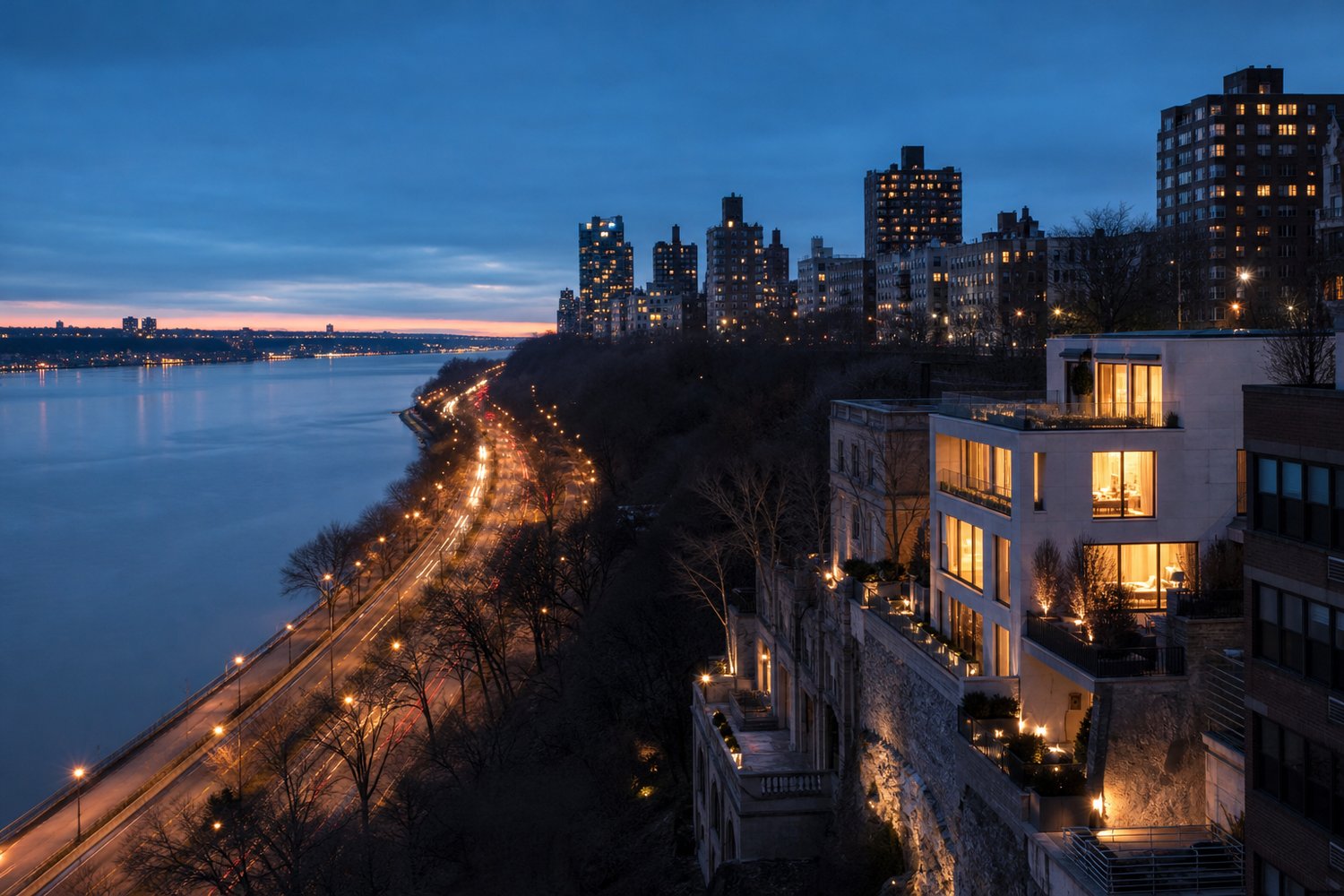
Weigh Lincoln Square real estate by pricing the micro-location, not just the square footage. Recent local data shows a $1,100,000 median sale price, but a block near Lincoln Center, Central Park, or the subway can price very differently from one a few streets away. Decide which conveniences you'll use daily, then pay for those.
Lincoln Square Real Estate Price vs Lifestyle Tradeoffs
How do you balance price and lifestyle in Lincoln Square real estate?
In Lincoln Square real estate, you balance price and lifestyle by deciding which daily conveniences you'll actually use, then paying for those and skipping the rest. Recent local market data puts the median sale price at $1,100,000, but that is an area-level number. The exact block, building, and layout move your price far more than the neighborhood name does.
Key Takeaways
- Recent local market data shows a median sale price of $1,100,000 in Lincoln Square, based on 222 homes sold over roughly the last 90 days.
- Homes that recently sold had a median of 34 days on market, which measures listing time for sold homes and not how long a purchase takes from offer to closing.
- Lincoln Center, Central Park, Riverside Park South, and the 1/2/3 and A/B/C subway lines are the lifestyle features that most often justify a higher price.
- Blocks along Broadway, Columbus Avenue, and Amsterdam Avenue offer the most convenience, while side streets can trade some of it for less street activity.
- Monthly carrying costs and building rules can change the true price of an apartment more than the asking price does.
What do recent sales say about Lincoln Square real estate?
Recent sales show a median sale price of $1,100,000 and a median of 34 days on market for homes that sold. That is a useful starting point, not a price tag for any specific apartment.
Here is what the recent local market data shows for roughly the last 90 days as of October 2026:
- Median sale price: $1,100,000
- Median days on market (sold homes): 34
- Homes sold: 222
Two cautions before you anchor on those numbers. First, data providers draw neighborhood lines differently, so a figure from one source may not match another. Second, a median blends studios, large pre-war layouts, and new-construction condos into one number.
In New York, "the market" is almost never one market. A renovated three-bedroom with park views and a compact one-bedroom on a lower floor can sit on the same block and behave completely differently. If you want the bigger picture on what sets this area apart, I break it down in What Makes Lincoln Square's Real Estate Market Unique.
Why does the median not tell you what to offer?
The median does not tell you what to offer because condition, floor height, light, layout, and building all move the price. In my experience, buyers here compare quality, layout, building, location, and monthly carrying costs all at once. That is why two apartments with the same bedroom count can be far apart in value.
When I look at a four-bedroom near Lincoln Center, like the one at 150 Columbus Avenue with an east bedroom wing and a separate primary suite, I don't just count bedrooms. I look at privacy and flow. A layout that separates the sleeping areas from the entertaining space is a lifestyle feature, and buyers pay for it.
Which lifestyle features are worth paying more for in Lincoln Square?
The features most worth paying for are the ones you'll use weekly: cultural access, park access, and transit. Everything else is a nice extra that should show up in the price only if it matters to you.
Is Lincoln Center access worth a premium?
It is worth a premium if you'll walk to performances regularly. The Lincoln Square Business Improvement District notes that Lincoln Center is home to the Metropolitan Opera, New York Philharmonic, New York City Ballet, and Film at Lincoln Center. If you'd go twice a year, you're paying for access you won't use. If you'd go twice a month, the premium can pay for itself in time and convenience.
What do the parks add?
The parks add daily-use green space, and that is real value if you'd use it. Central Park borders the neighborhood on the east, and Riverside Park South gives you waterfront open space on the west. The BID also lists smaller public spaces such as Dante Park and Richard Tucker Park, where a Greenmarket operates on Thursdays and Saturdays (check the current schedule before you plan around it).
An apartment a short walk from a park entrance gives you a different weekday routine than one that needs a longer trek. That difference is hard to see on a listing, so walk it yourself.
How much does transit matter?
Transit matters a lot if you commute or travel around Manhattan often. The neighborhood is served by the 1, 2, and 3 lines, the A, B, and C lines, and the 66 Street-Lincoln Center station, with the Columbus Circle hub at its southern edge, according to the BID. That gives you north-south options through the Upper West Side and a connection point toward Midtown and Downtown.
Do a test commute at the hours you'd actually travel. A listing's "near the subway" can mean very different walks depending on the building's entrance.
How do blocks and buildings change the price you should pay?
Blocks and buildings change the price because convenience and quiet pull in opposite directions. The closer you are to the busiest corridors, the more you gain in access and the more you may give up in calm.
Lincoln Square's main commercial and pedestrian corridors are Broadway, Columbus Avenue, and Amsterdam Avenue. Here is how I help buyers think about the trade:
| Location type | What you gain | What you may trade |
|---|---|---|
| Near Lincoln Center and the 66 Street station | Walkable culture and transit | More evening activity around performances |
| On or near Broadway, Columbus, or Amsterdam | Restaurants, shops, and services at your door | More foot traffic and potential street noise |
| Side streets between the avenues | Often less through-traffic | A slightly longer walk to the avenues and trains |
| Near Central Park or Riverside Park South | Open space close by | May sit farther from other corridors |
| Near Columbus Circle | Major transit hub and shopping | Some of the busiest surroundings in the area |
These are tendencies, not rules. Window orientation, floor height, and how a building sits on its lot can matter more than the street name. The only way to judge noise is to visit at different times of day.
Is a co-op or a condo the better value?
Neither is automatically the better value. It depends on your cash position, how long you'll stay, and what the monthly bill looks like. Co-ops often come with a lower purchase price but a monthly maintenance charge that can cover the building's underlying costs, and they require board approval. Condos typically give you more flexibility on ownership and resale, with common charges and taxes billed separately.
Compare the total monthly carrying cost, not just the purchase price. I cover the ongoing side in What Owning an Apartment Near Lincoln Center Actually Costs. Board requirements, sponsor status, and building finances all vary by building, so ask for the details before you fall for an apartment.
What building amenities justify a higher price?
Amenities justify a higher price only when you'd use them. A gym you'll visit three times a week is worth more to you than a roof deck you never open. Services like a doorman or a package room save time every day, but they also show up in monthly charges. Weigh each amenity against what it adds to your carrying costs.
How does this compare with nearby areas?
Resale value shifts by neighborhood, building type, and timing, so comparing Lincoln Square with neighbors is worth the time. For the adjacent area, What Actually Drives Upper West Side Real Estate Prices and Pace shows how pricing logic carries over. For a wider view, see What's the Resale Value Like in Different NYC Neighborhoods?
How do you decide your own number?
You decide your number by ranking what you'd use weekly, pricing comparable apartments with those features, and then testing the building's monthly costs. Your specific number depends on the apartment, the building, and your finances, and that is where a local market analysis comes in. This is exactly the kind of question I walk my clients through before we ever schedule a showing.
- List your top three daily-use features. Park, subway line, cultural access, quiet, or a specific layout.
- Visit the block at different times. A weekday morning and a performance-night evening can feel very different.
- Compare total monthly costs. Look at the full carrying cost, not only the price.
- Ask about board and building rules early. They affect both your offer and your timeline.
- Get a comparable-sales read from a broker. Median figures are a start, not a valuation.
As the BID describes the area, it is a place where culture, commerce, and community meet. That is the lifestyle you're buying into. The goal is to pay for the parts of it you'll actually enjoy.
If you want to see what other budgets get you, What $5 Million Gets You in Different NYC Neighborhoods is a useful comparison.
Want to see what other buyers say about working with me? Read my reviews on Google, Zillow, and Realtor.com.
FAQ
Is Lincoln Square worth the price for access to Lincoln Center and Central Park?
It is worth it if you'll use that access regularly. Recent local data shows a $1,100,000 median sale price, but pricing for any one apartment depends on its block, building, and layout. If you rarely go to performances or the park, a quieter side street farther from the anchors may suit you better.
How much more do apartments near Central Park or Lincoln Center cost?
It varies by apartment, so there is no single premium I can quote. Proximity to Central Park, Lincoln Center, or major transit can affect value, but so do floor height, light, condition, and building. A custom comparison against recent sales on your target blocks gives you a real answer.
Which parts of Lincoln Square are quieter and which are busiest?
The busiest areas tend to be along Broadway, Columbus Avenue, Amsterdam Avenue, and near Lincoln Center and Columbus Circle. Side streets between the avenues often have less through-traffic, but that depends on the specific block and window orientation. Visit at several times of day before you decide.
How long does it typically take to buy an apartment in Lincoln Square?
Recently sold homes had a median of 34 days on market, but that figure measures listing time for homes that sold, not the full buying process. Your timeline also depends on financing, board approval in a co-op, and negotiation. Your closing agent handles settlement once you're under contract.
Is Lincoln Square convenient for commuting to Midtown, Downtown, or the Upper West Side?
Yes, transit is a major strength. The neighborhood is served by the 1, 2, 3, A, B, and C lines, the 66 Street-Lincoln Center station, and the Columbus Circle hub. Test your own commute at your actual travel hours, since the walk to the station varies by building.
Ready to find the right balance?
The best Lincoln Square purchase is the one where you pay for what you'll use and skip what you won't. I'll help you read the block, the building, and the monthly numbers so you can make that call with confidence. Schedule a consultation and we'll talk through your priorities. If you're a seller, you can also request a free home evaluation.
Equal Housing Opportunity. Broker-of-Record: John N. Wollberg, Corporate License No. 10311209467. Firm license # 10991237613. Regulated by the New York Department of State, Division of Licensing Services. This article is general information, not legal, tax, or financial advice; confirm your own numbers with your closing agent, tax advisor, or lender.