
Equestrian Properties in Monterey County Buyer Checklist
By Carmel Luxury Group, Carmel Luxury Group at Coldwell Banker Realty ·
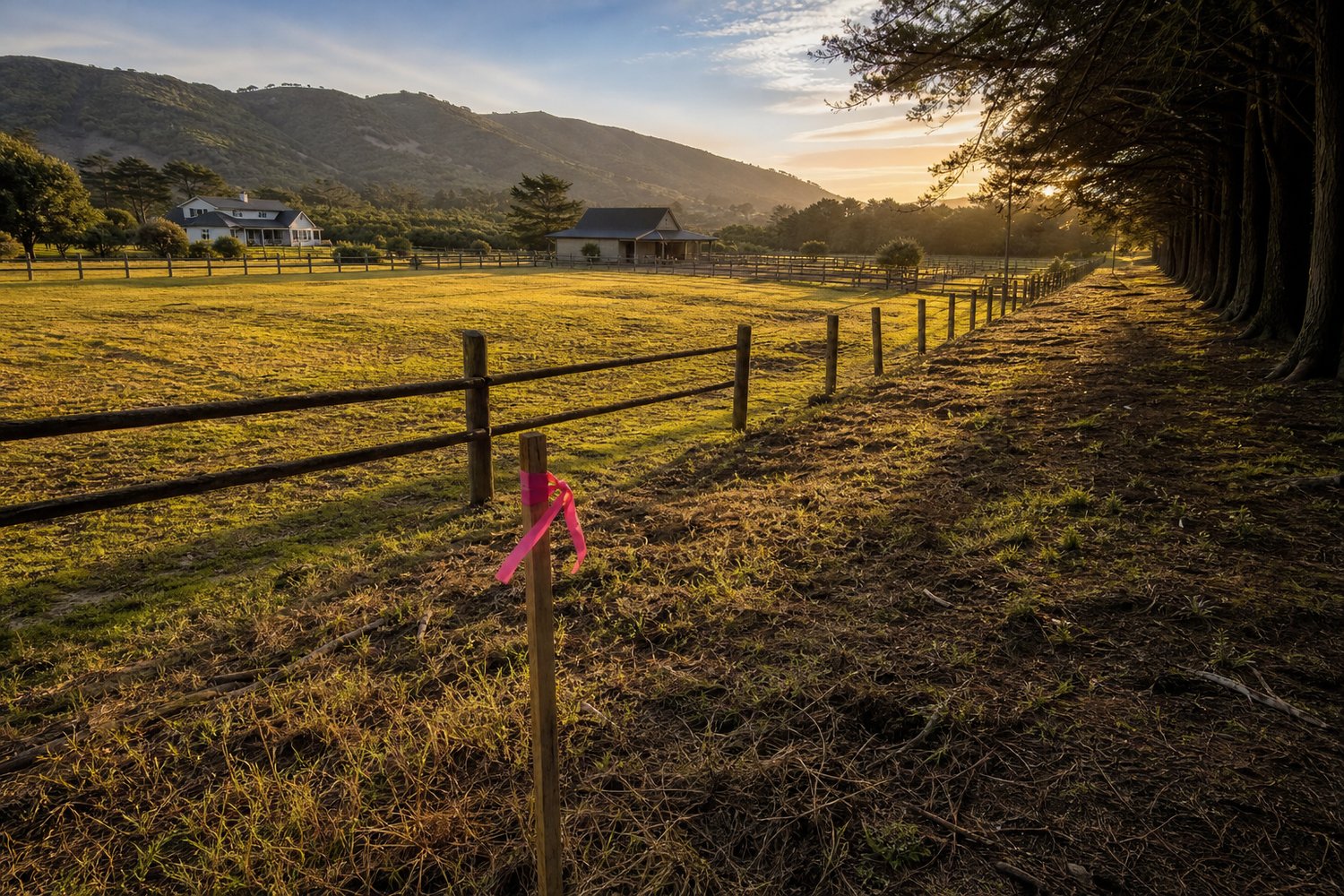
Equestrian properties in Monterey County are defined by what the land legally allows and what the facilities can support day to day, not by a barn in the listing photos. Verify zoning, permits, water, drainage, and trail access with the County before you rely on any advertised amenity.
What makes equestrian properties in Monterey County different from other homes?
Equestrian properties in Monterey County are judged on land use, permitted improvements, water, and daily-care facilities, not just on the house. A listing that mentions a barn or arena tells you what exists, not whether it is permitted, usable, or allowed to serve the way you intend to use it. The strongest properties pair verified permits and workable ground with a layout that supports daily horse care.
Key Takeaways
- A barn, arena, or paddock in a listing does not prove zoning compliance, permit status, water supply, or drainage adequacy; each needs to be confirmed with Monterey County Planning, Building Services, and the applicable water or private-well authority.
- Stabling and turnout are separate needs, so evaluate stalls, paddocks, pastures, round pens, wash racks, hay storage, tack rooms, and arenas as a working system rather than as a feature list.
- Monterey County's Long Trail is an 11-mile equestrian ride that requires a permit, a trail-etiquette video, and a signed waiver each time, so nearby open space is not automatically a riding amenity.
- Commercial boarding, lessons, clinics, and training are separate questions from keeping your own horses, and they must be confirmed for the specific parcel before you count on that income.
- Sellers who document permits and prepare the facilities before listing spend less time explaining questions to buyers later.
What should you verify before buying equestrian properties in Monterey County?
Verify four things before you fall for the setting: permitted use, permit history for every improvement, water, and drainage. Equestrian properties in Monterey County range from a few paddocks behind a home to full facilities with multiple barns, and the diligence is the same for both. William walks clients through this sequence early, because the answers change what a property is worth to you.
Does the zoning allow horses, and how many?
Zoning determines whether you can keep horses on a parcel at all, and the answer is specific to the parcel, not to the town name in the listing. A Carmel or Carmel Valley address does not guarantee that the intended use is allowed. Confirm the allowed use directly with Monterey County Planning before you write an offer, and make that confirmation part of your contingency period.
Are the barn, arena, and paddocks permitted?
Existing improvements are not automatically legal improvements. Barns, arenas, paddocks, grading, and drainage work may each require permits in Monterey County, and the listing descriptions alone do not establish permit status. Ask for permit records, then compare them with what you see on the ground. An older barn or an arena that was graded without review can become your problem the day you close.
How do you evaluate water, irrigation, and manure management?
Water is the quiet constraint on horse property. Horses need a dependable supply for drinking, wash racks, and irrigated pasture, and a property's water arrangement can be a public system, a private well, or a shared arrangement. Water rights, well capacity, and drainage adequacy are not established by a listing description. They need confirmation with the applicable water or private-well authority.
Manure handling and runoff belong in the same conversation. Look at where water moves across paddocks and arenas in wet conditions, where manure is stored, and how close those areas sit to drainage paths. Poor drainage can turn a good arena into a maintenance burden quickly.
Can you board, teach, or train horses at the property?
Not automatically. Commercial boarding, lessons, clinics, and training are different from keeping your own horses, and the right to do them depends on the parcel and the County's rules. If a business use is part of why you are buying, make that confirmation a condition of your decision, not an assumption. William can help you frame the right questions for Monterey County Planning before you commit.
How do you tell a working horse facility from a property with a barn?
A working horse facility supports daily care, safe turnout, feed storage, and riding from one layout, while a property that merely has a barn may lack one or more of those. Use the categories below to test any property you tour.
| Advertised feature | What to confirm on site |
|---|---|
| Barn with stalls | Ventilation, flooring, door and stall condition, electrical safety, and whether the structure is permitted |
| Tack room and hay storage | Dry, secure space, access for deliveries, and distance from living areas |
| Arena | Footing condition, drainage, fencing, and permit history |
| Paddocks and pasture | Fencing integrity, shade, water access, and how the ground drains |
| Wash rack and grooming area | Water supply, drainage away from the barn, and usable layout |
| Round pen | Placement, footing, and whether it fits the property's permitted improvements |
What should you inspect in a horse barn?
Start with the structure and the systems that keep animals safe: roof and framing, electrical, lighting, water lines, ventilation, and flooring. Then look at how the barn works in practice. Can you move a horse from stall to wash rack to turnout without crossing a hazard? Is feed storage separate from the stalls? Equestrian properties in Monterey County often carry older outbuildings, so ask an inspector with agricultural or barn experience to look alongside your standard home inspection.
How much usable pasture do you need?
There is no single acreage that works for every owner. Usable pasture depends on the number of horses, the quality and slope of the ground, how the land is managed, and how much you rely on hay instead of grazing. Acreage on a listing sheet includes land that may be steep, wooded, or otherwise unusable for turnout. Walk the ground and ask what portion is genuinely flat, fenced, and watered.
What do local property descriptions actually tell you?
Current Carmel-area descriptions use a consistent vocabulary: stalls, paddocks, pastures, round pens, wash racks, hay storage, tack rooms, and arenas, as shown in this Carmel property listing. That list is a useful checklist for evaluating whether a property supports daily care. Another Carmel Valley listing on HorseProperties.net describes a four-stall barn, a tack room, and a professional-grade arena. Those are features of those listings, not a countywide standard, and each should be verified through permits, inspection, and a site visit.
Does trail access come with equestrian properties in Monterey County?
Not automatically. Proximity to open space is not the same as a right to ride on it, so confirm trail access rules before you treat any nearby land as an amenity.
The County of Monterey's Long Trail is an 11-mile permitted equestrian ride. Equestrians need a permit, must view a trail-etiquette video, and must sign a waiver each time. The trail is restricted to permitted equestrians rather than general hikers. The County also states that there is no separate permit fee for the Long Trail, though day-use and horse fees may apply when entering North Shore or Lake San Antonio, per the same County page.
Carmel Valley also has established equestrian infrastructure. Stonepine Estate's equestrian center describes two barns serving dressage, show jumping, western pleasure, and racing, with grooming areas, wash racks, tack rooms, arenas, and access to trails. It is a useful reference for the kind of facility depth some owners want, and for the kind of boarding and training resources that may sit within reach of a property that does not have its own full facility.
If you are comparing areas for horse property, William's overview of equestrian properties in Prunedale and his look at communities along the Salinas-Monterey Highway add useful context on how land and lifestyle trade off across the county.
What should sellers do before listing a horse property?
Sellers should document permits, repair the working parts of the facility, and present the land as a functioning system before the property goes to market. William's view is that the sale of a ranch begins well before the listing date, and equestrian property shows why. A buyer who sees clean fencing, sound stalls, tidy drainage, and a clear permit record asks fewer defensive questions than one who finds gaps on the first tour.
For sellers, that preparation usually means gathering records for every barn, arena, and grading project, addressing visible wear, and being ready to explain water and drainage plainly. For estate and trust owners managing from out of the area, William coordinates the specialists who handle that work remotely. If you are weighing timing, his piece on Monterey Peninsula seasonality and listing speed is a useful companion.
Buyers and sellers alike are better served by a local read of current conditions than by a generic number on a page. The Monterey Peninsula's equestrian segment is smaller and more specialized than the general housing market, and it moves on property-specific factors rather than headline trends. Your own property or search depends on land, improvements, and permits, which is where a conversation with William and the team starts.
You can read what clients say about William on Google, Zillow, and Realtor.com.
FAQ
What zoning allows me to keep horses on a Carmel or Carmel Valley property?
Zoning is set parcel by parcel, so no town-level answer applies to every property. Confirm the allowed use and any limits on animal numbers directly with Monterey County Planning for the specific parcel before you make an offer. William can help you build that confirmation into your purchase timeline.
How much usable pasture do I need for the number of horses I own?
There is no single figure, because usable pasture depends on slope, soil, water, fencing, and how you manage feed. Walk the property and separate flat, fenced, watered turnout from acreage that cannot be used for horses. Your veterinarian or an equine professional can help you judge a specific parcel.
Do I need permits for a barn, arena, paddocks, grading, or drainage improvements in Monterey County?
Often yes, and you should check with Monterey County Building Services and Planning before building or buying on the assumption that existing work is legal. Listing descriptions do not establish permit status, so ask for permit records and compare them with what is on the ground.
Can I run boarding, lessons, clinics, or training at a residential equestrian property?
Only if the parcel and the County's rules allow it, and that must be confirmed rather than assumed. Commercial activity is a separate question from keeping your own horses. Raise it with Monterey County Planning before you count on any business use in your purchase decision.
Which Carmel Valley properties have direct access to riding trails?
Access is property-specific, so ask for the exact rights and rules tied to the parcel you are considering. Nearby open space is not the same as a right to ride. For example, the County's Long Trail requires a permit, a trail-etiquette video, and a signed waiver each time. William can help you confirm what a specific property offers.
Where to go from here
The best equestrian properties in Monterey County pair verified permits, dependable water, and a layout that works every day, and finding one takes local knowledge and patience. If you are buying, selling, or preparing a ranch or horse property, schedule a consultation for a Home Valuation with William and the Carmel Luxury Group, and ask about any property you are considering.
Equal Housing Opportunity. William Smith, Founding Broker, Carmel Luxury Group at Coldwell Banker Realty, CA-DRE #01064866. Affiliated real estate agents are independent contractor sales associates, not employees. This article is general information, not legal, tax, or financial advice; confirm your own details with Monterey County, your title company, tax advisor, or lender.