
What Sets Carmel Valley Estate Properties Apart
By Carmel Luxury Group, Coldwell Banker Realty ·
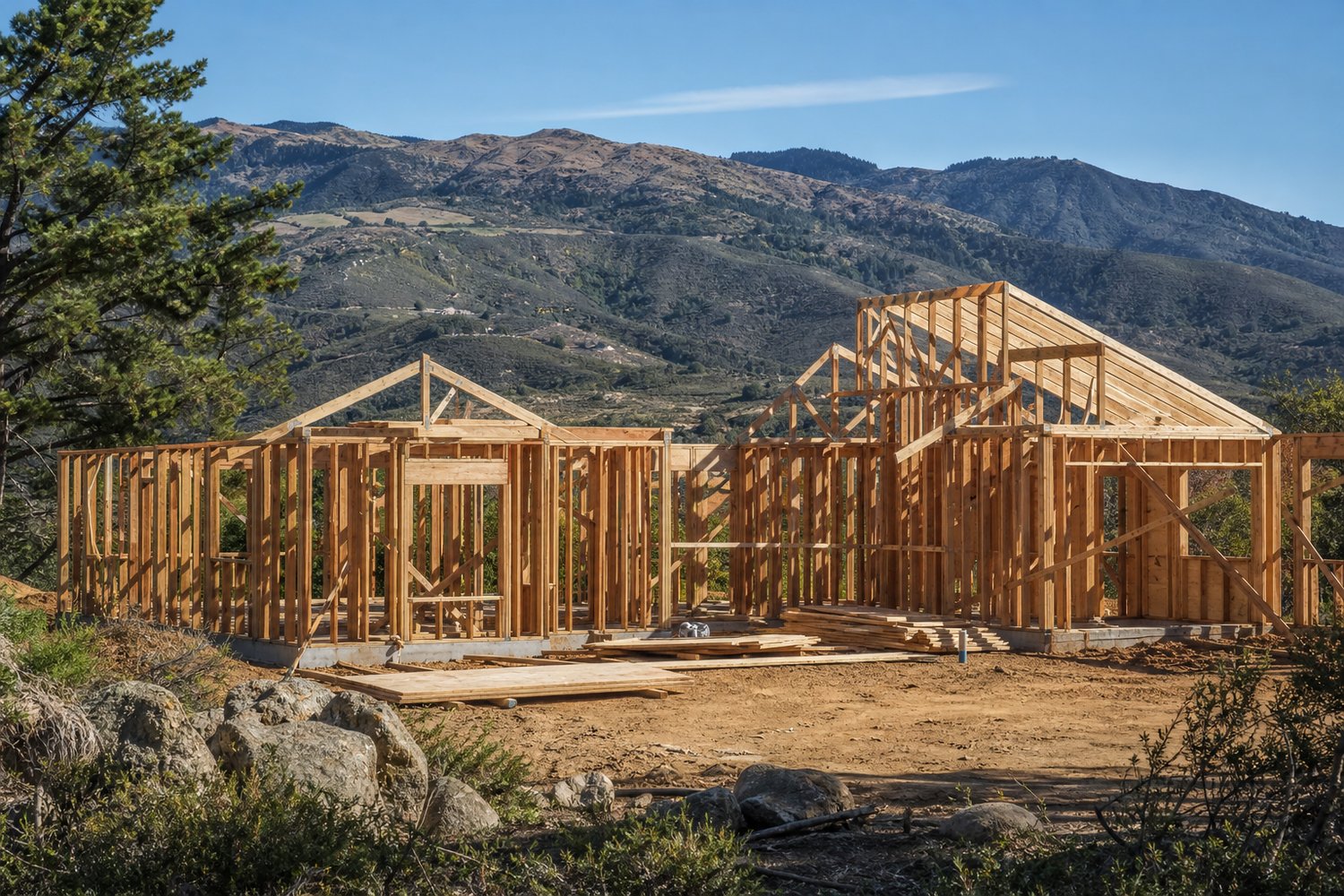
Carmel Valley estates stand out for usable acreage, rural-agricultural character, privacy, and land-use potential such as equestrian facilities, gardens, and orchards. Much of the valley falls under Monterey County planning rather than city rules, so every feature depends on the parcel's zoning, water, and permits.
What Sets Carmel Valley Estate Properties Apart?
What sets Carmel Valley estate properties apart is land: usable acreage, mature landscaping, privacy, and a county planning framework that encourages the valley's rural-agricultural character. Gardens, orchards, horse facilities, and room for accessory structures are possible on many parcels, but each one depends on that parcel's zoning, water, and permit history. The value is in what the land can legally and practically do, not in the acreage figure alone.
Key Takeaways
- Much of Carmel Valley is governed by Monterey County planning and the Carmel Valley Area Plan, not by the incorporated city rules that apply in Carmel-by-the-Sea.
- The Carmel Valley Area Plan states that equestrian-oriented recreation should be encouraged when it is consistent with the valley's rural character, but barns, arenas, and stables still require parcel-specific approvals.
- A use permit is required for all new wells in Carmel Valley and for converting more than one acre of uncultivated land to cultivation, which directly affects vineyard, orchard, and irrigation plans.
- The area plan treats excessively large houses as a threat to rural character, so acreage alone does not guarantee approval for a very large residence or a cluster of outbuildings.
- The estates that hold value best are the ones whose zoning, water source, and permit history have been documented before they reach the market.
How Is a Carmel Valley Estate Different From a Home in Carmel-by-the-Sea?
The biggest difference is jurisdiction and land. Carmel-by-the-Sea is an incorporated coastal city with its own rules, while much of Carmel Valley is governed through Monterey County planning. A property marketed as "Carmel" may therefore follow county zoning and area-plan provisions instead of city regulations.
That distinction shapes what an estate can become. A village cottage is valued largely for its location and architecture. A Carmel Valley estate is valued for its setting and for what the acreage allows.
The setting buyers pay for
The Carmel Valley Area Plan identifies gardens, orchards, row crops, grazing animals, farm equipment, and farm buildings as part of the valley's heritage and says this rural agricultural nature should be encouraged. That policy language is why the valley still reads as pastoral rather than suburban.
In practice, the features that set Carmel Valley estate properties apart usually include:
- Usable acreage with flat or gently sloped areas, not just total parcel size
- Mature landscaping, including established oaks, gardens, and orchards
- Privacy and views across pasture, creek corridors, or the valley floor
- Existing improvements such as barns, riding areas, guest quarters, and workshops
- Microclimate, which varies meaningfully from the village end to the ranch end of the valley
Climate and location within the valley change how an estate lives day to day. William's breakdown of Carmel Valley's Village, Mid-Valley, and Ranch settings and the guide to Carmel Valley microclimates are worth reading before you narrow a search.
What Land Uses Can a Carmel Valley Estate Actually Support?
Many Carmel Valley parcels can support gardens, orchards, horse facilities, and accessory structures, but none of it is automatic. The county's planning framework encourages these uses in principle, and the parcel's zoning, overlays, and approvals decide what is allowed in practice.
Horses and equestrian improvements
The area plan states that equestrian-oriented recreational activities should be encouraged when consistent with the valley's rural character. County records show how this plays out. In a Monterey County Planning Commission file involving Carmel Valley Ranch (PC 19-017), horse stables, barns, and hay barns were identified as permitted or allowable uses under the relevant zoning, and the project still went through design approval and site-plan review.
The lesson for buyers is that equestrian potential depends on zoning, overlays, and discretionary approvals, not merely on acreage. Setbacks, grading, drainage, wastewater, access, and animal-keeping standards can all limit what gets built. William is an equestrian himself and has sold numerous ranch and horse properties, so he reads a barn and arena setup the way a rider does and the way a permit reviewer does.
Vineyards, orchards, and gardens
An agricultural look does not mean unrestricted agricultural use. The area plan requires a use permit for converting more than one acre of uncultivated land to cultivation, and for new or expanded commercial development. Existing gardens and orchards are one thing. Planting a new commercial vineyard on raw land is a different conversation.
Water, wells, and irrigation
Water is the feasibility question that sits under every estate plan. The area plan requires a use permit for all new wells in Carmel Valley. If a buyer is counting on new irrigation, expanded planting, or additional structures, the water supply needs to be reviewed before the acreage is treated as fully developable.
Guest houses, studios, and size limits
Acreage does not guarantee approval for a large residence or a collection of accessory buildings. The area plan states that excessively large single-family houses threaten the valley's rural character, and for parcels under one acre it includes a policy limiting the house to 3,000 square feet and total construction (house, garage, and accessory structures) to 4,000 square feet. Confirm any such limit against the current county code and your parcel's exact designation before relying on it.
What Should You Verify Before Buying a Carmel Valley Estate?
Verify the parcel's zoning designation, overlay districts, water source, and permit history before you assign value to any estate feature. Monterey County's land use regulations page is the right starting point, and it identifies the Carmel Valley Master Plan among the county's inland area and master plans. Parcels here can carry design-control, site-plan-review, open-space, or low-density-residential designations, and each changes what you can build.
| Estate feature | Why it adds appeal | What to verify |
|---|---|---|
| Barn, stable, or riding area | Supports horse keeping on the property | Zoning, design review, setbacks, drainage, and permits for existing structures |
| Orchard or garden | Reflects the valley's agricultural character | Existing cultivation versus new conversion, and the water source |
| Vineyard potential | Possible productive use of open land | Whether a use permit is needed for conversion over one acre |
| Guest house or studio | Added flexibility for the main residence | Permit history, size limits, and design-control requirements |
| Well or irrigation system | Supports landscaping and agricultural use | Existing well status, and the use permit required for any new well |
| Large acreage | Privacy and room to improve | How much is usable versus steep, wooded, or environmentally constrained |
Why preparation matters on an estate
On a property this layered, the sale starts well before the sign goes up. William would rather spend the time beforehand documenting permits, confirming water, and tidying the improvements than spend months afterward explaining to buyers why an estate is not moving. An estate with a clean paper trail shows its land-use potential with confidence. One with open questions invites discounting.
Does more acreage always mean more value?
No. Acreage is worth what you can use. Ten acres of steep, wooded, or constrained land can be worth less to a buyer than a smaller parcel with level pasture, a reliable water source, and permitted improvements. That is why a thorough review of the land matters as much as the house. William has also helped assemble specialist teams for ranch, vineyard, and major pre-sale improvement projects, and that kind of preparation often changes how a property is received.
Your answer will depend on the specific parcel, which is where a local market analysis comes in. For a broader look at the buying process here, see William's guide to buying a home in Carmel Valley.
You can read what past clients say about working with William on Google, Zillow, and Realtor.com.
FAQ
Can I keep horses or build an equestrian facility on a Carmel Valley estate?
Possibly, depending on the parcel's zoning and approvals. The Carmel Valley Area Plan encourages equestrian recreation consistent with rural character, and county records show horse stables and barns allowable in some zoning contexts. Setbacks, grading, drainage, wastewater, and design review can still limit what is built, so confirm the specifics before you rely on it.
Are vineyards, orchards, or gardens allowed on Carmel Valley acreage?
Gardens and orchards fit the valley's agricultural character, but new commercial planting can need county approval. The area plan requires a use permit to convert more than one acre of uncultivated land to cultivation, and every new well also requires one. Water source and parcel size should be reviewed before you plan a planting.
Can I build a guesthouse, barn, pool, or detached studio on a Carmel Valley property?
It depends on the parcel's zoning, overlays, and the type of review required. Some improvements need only ministerial permits, while others trigger design approval, site-plan review, or a use permit. The area plan's concern about excessively large houses and total construction means acreage alone does not settle the question.
Does more acreage always increase the value of a Carmel Valley estate?
No. Usable, well-situated land with water and documented improvements typically carries more appeal than larger acreage that is steep, wooded, or constrained. How much of a parcel you can actually use is what matters. William can help you evaluate that for a specific property.
Which Carmel Valley areas offer the most privacy, views, or usable acreage?
It varies by parcel, not by a single area label. Privacy, views, and usable acreage differ from the village end of the valley to the ranch end, and even between neighboring parcels. William's comparison of Carmel Valley's Village, Mid-Valley, and Ranch settings is a useful starting point, and a property tour will tell you the rest.
Ready to Evaluate a Carmel Valley Estate?
The land-use potential that helps set Carmel Valley estate properties apart is real, but it is only as valuable as the zoning, water, and permits behind it. William walks buyers and sellers through that analysis before a property is purchased or listed, drawing on more than 36 years in this market and the Coldwell Banker Global Luxury marketing resources behind Carmel Luxury Group. Schedule a consultation for a Home Valuation and bring the parcel details you have, or send an inquiry about a specific Carmel Valley property.
Equal Housing Opportunity. William Smith, Founding Broker, Carmel Luxury Group at Coldwell Banker Realty, regulated by the California Department of Real Estate (CA-DRE). Affiliated real estate agents are independent contractor sales associates, not employees. This article is general information, not legal, tax, or financial advice; confirm your own numbers and parcel details with your title company, tax advisor, or lender, and verify zoning with Monterey County.