What to Check on a House Tour in Waldo, Kansas City
By Ryan, Weichert Realtors- Generations ·
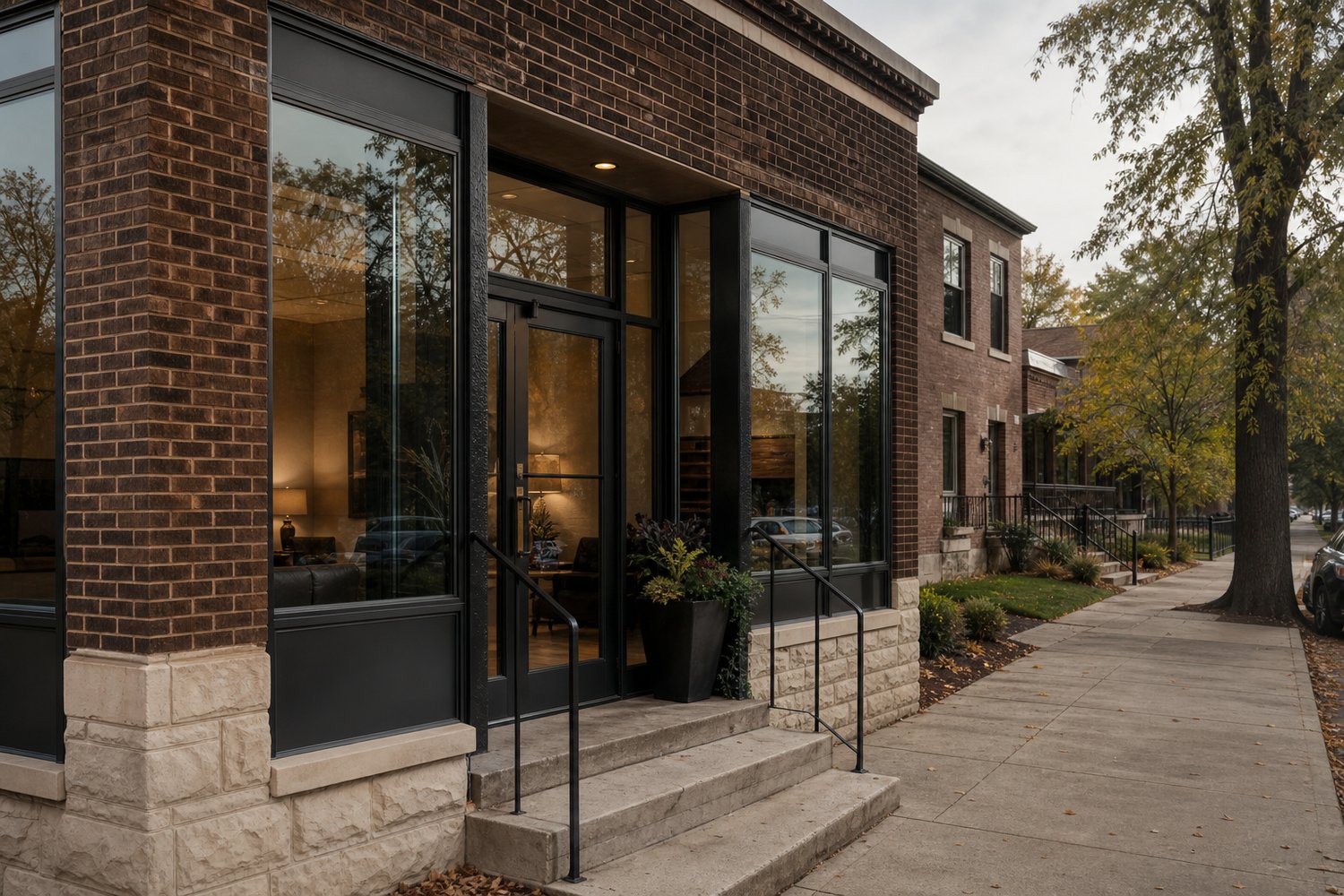
Before you fall for a Waldo porch or a built-in cabinet, decide what you'll compare across every house you see. Score each one on the same categories (porch, roof and gutters, basement, storage, garage, windows), then spend inspection money only on the homes that still stand out.
What should a first-time buyer check on a house tour in Waldo?
On a Waldo tour, check on a house tour the things photos hide: porch floors and railings, basement moisture, roof and gutter wear, storage you can actually use, and how the detached garage and driveway work day to day. Waldo's older bungalows and early-to-mid-century homes can look alike from the street but differ a lot in condition. Use the same checklist at every showing so you can rank homes honestly and decide which ones deserve a professional inspection.
Key Takeaways
- Waldo homes are reported to range from roughly 900 to more than 2,200 square feet, so two houses of the same style can differ widely in storage and room function (Livability).
- Walk across the porch instead of admiring it from the sidewalk, because soft boards, loose railings, and uneven steps are easy to find in person and easy to miss in photos.
- Basement dryness tells you more about an older Kansas City house than finishes do, so look for musty odor, efflorescence, patched cracks, and how the ground slopes toward the foundation.
- Detached garages and narrow or shared driveways are common in Waldo, so confirm the doors open fully, the structure looks sound, and your vehicles actually fit (Homes.com).
- A same-categories comparison after each tour is what separates a house worth a formal inspection from one that only looked good for thirty minutes.
What should you check on a house tour of a Waldo bungalow?
Start outside and work in: porch, roof and gutters, exterior walls, then the layout, storage, and basement. Waldo's housing stock includes Craftsman bungalows, Tudor-style homes, Colonial Revivals, modest two-story houses, and ranch-style homes, many built in the early-to-mid twentieth century. That variety is the reason a consistent routine matters.
How can you tell if a front porch needs expensive repairs?
Walk the whole porch and judge it by how it feels underfoot. Springy or soft boards, uneven steps, wobbly railings, damaged columns, peeling coatings, and standing water are all worth noting. Also look up and out: is roof runoff directed away from the porch and the foundation, or dumping right beside it?
A porch is a big part of what draws buyers to Waldo, which is exactly why I tell my clients to treat it as a condition item first and a style item second. One or two cosmetic flaws are normal in an older home. Several problems at once, especially with water involved, are a reason to slow down and ask questions.
What makes a small bungalow layout work?
A bungalow layout works when the rooms function the way you'll live in them. Many Waldo homes have a compact footprint, so small details decide whether the house feels easy or cramped. On the tour, ask yourself:
- Can you reach the main bedroom without walking through another bedroom?
- Does the kitchen have usable counter and cabinet space, not just a nice backsplash?
- Can you place a bed, dresser, and desk without blocking the doorway or closet?
- Where would laundry go, and is it reachable without hauling baskets up and down awkward stairs?
- Is the basement or attic truly usable, or just labeled as storage in the listing?
Do Waldo bungalows have enough storage?
It depends on the individual house, and that is the point. With reported sizes running from about 900 to more than 2,200 square feet, storage can be generous in one home and nearly absent in the next. Open every closet. Check basement and attic access. Notice any moisture or odor around stored items, and measure odd spaces before you assume they can hold shelving, a freezer, or a second refrigerator.
If a seller or listing treats the basement as extra living space, confirm the ceiling height, stair access, lighting, and exit options meet what you plan to use it for. This is a good moment to bring me along, because I can tell you what to question before it turns into a surprise later.
What should you look for in a detached garage or shared driveway?
Waldo homes commonly have detached garages and, in some cases, shared or narrow driveway access. Treat the garage as its own small building. Open the door all the way, look for roof sag or foundation movement, see whether there's electrical service, and check that the driveway is wide enough for your vehicles.
If the driveway appears to be shared, don't rely on a neighborly impression. I'll help you ask for the property documents so you know exactly how access works before you write an offer.
How do you compare condition between Waldo homes on the same tour?
Use the same categories at every house and write your notes down right after you leave. When you check on a house tour with a repeatable list, the homes that are actually well maintained start to separate from the ones that just show well. Here's the framework I give my first-time buyers.
| Area to Check | What to Do During the Tour | Why It Matters |
|---|---|---|
| Porch | Walk it, press on boards, shake railings, check steps | Shows deferred upkeep and water problems |
| Roof and gutters | Look for visible wear, sagging, and where downspouts discharge | Roof age and drainage affect the whole house |
| Exterior walls | Inspect brick, mortar, siding, and trim condition | Reveals maintenance history |
| Windows | Open and close several, note drafts and stuck sashes | Older windows affect comfort and upkeep |
| Basement | Look at walls and floor, smell the air, find the sump pump if present | Moisture is one of the biggest older-home concerns |
| Systems | Note panel, visible plumbing materials, furnace and water heater age | Helps you anticipate big-ticket replacements |
| Garage and driveway | Open the door fully, check structure and width | Daily practicality and hidden repair needs |
None of this means a given Waldo home has a defect. It means you're collecting the same information on every property so you can compare fairly.
How do you check a basement for moisture during a tour?
Use your eyes and your nose. In an older Kansas City house, look at basement walls and floors for active dampness, white mineral deposits (efflorescence), patched cracks, and a musty smell. Check whether a sump pump is present and how it's set up, and look outside at whether the grading slopes toward the house.
If you see signs of past repair, ask what was done, when, and whether paperwork exists. A seller who can show documentation gives you a lot more to work with than one who says, "it's always been fine."
Should you compare renovated and unrenovated homes differently?
Yes. A renovated home can look flawless while hiding what's behind the finishes, and an unrenovated home can look dated while being structurally solid. For renovated houses, ask who did the work, whether it was permitted, and which systems were actually replaced. For unrenovated ones, estimate what needs updating soon and what can wait. A cosmetic update isn't proof of good bones, and dated finishes aren't proof of problems.
Which tour findings deserve a closer look?
A home earns a formal inspection when it stays near the top after your same-categories comparison and nothing you noticed points to a problem you aren't willing to take on. Cracks, sloping floors, and old windows aren't automatic deal-breakers in homes of this age, but they are reasons to ask pointed questions.
What should you ask after you notice cracks, sloping floors, or old windows?
Ask what the seller knows, what has been repaired, and whether there are records. Then take those notes to your inspection. A cosmetic hairline crack and a pattern of movement are different things, and I'm not the one to diagnose which you're looking at. A licensed home inspector, and a specialist if the inspector recommends one, is. What I can do is help you decide when a finding is worth bringing to the negotiating table. Your contract's inspection window is where that happens, and I'll walk you through how it works before you're on the clock.
A simple routine after every showing
- Photograph the exterior, porch, basement, major systems, and anything that concerned you.
- Write down room-by-room notes on layout, storage, and whether your furniture would fit.
- Score each house on the same categories from the table above.
- Drop the homes with problems you wouldn't want to take on.
- Bring the finalists to a deeper conversation with me, including document review and a plan for inspection.
Waldo is also a sidewalk-lined, walkable area around the 75th Street and Wornall Road corridor, with nearby shops, restaurants, and community amenities. Location is part of what you're buying, but the house still has to hold up under the checklist. If you want to check on a house tour with someone who knows these blocks, that's the kind of walk-through I do every week.
FAQ
What should I check first when touring an older bungalow in Waldo?
Start with the exterior: porch condition, roof and gutter wear, and how water moves around the foundation. Then go to the basement, since moisture there affects everything else. Those two areas tell you quickly whether the house has been maintained or just updated on the surface.
How can I tell whether a front porch needs expensive repairs?
Walk it and feel for soft or springy boards, loose railings, uneven steps, damaged columns, and standing water. A few cosmetic issues are common in older homes. Multiple structural-looking problems combined with poor drainage are worth raising with your inspector and with me before you move forward.
Do Waldo bungalows usually have enough storage?
It varies a lot, because homes in the neighborhood are reported to range from about 900 to more than 2,200 square feet. Open every closet, check basement and attic access, and measure awkward spaces. Don't count a basement as storage until you've checked it for moisture and confirmed you can get items down the stairs.
What should I look for in a detached garage or shared driveway?
Make sure the door opens fully, the structure shows no obvious roof or foundation movement, and the driveway fits your vehicles. If access is shared, get the arrangement clarified and reviewed against the property documents before you rely on it. I can help you ask the right questions.
Should I compare renovated homes with unrenovated homes differently?
Yes. With a renovated home, focus on what was actually replaced, who did the work, and whether there's documentation. With an unrenovated home, focus on which systems and finishes will need attention soon. Judge both on condition first and style second.
Ready to tour Waldo homes with a plan?
The best first-home purchase starts with a repeatable way to judge condition, not just a good first impression. I help first-time buyers build that checklist, tour Waldo and the rest of Kansas City, and decide which properties earn an inspection. If you're ready to start, call me at 816-373-0227 to schedule a consultation or ask about a specific property.
Equal Housing Opportunity. This article is general information, not legal, tax, or financial advice. Confirm your own numbers and details with your title company, tax advisor, or lender.