
Selling Carmel Valley Ranches Takes Local Knowledge
By Carmel Luxury Group, Coldwell Banker Realty ·
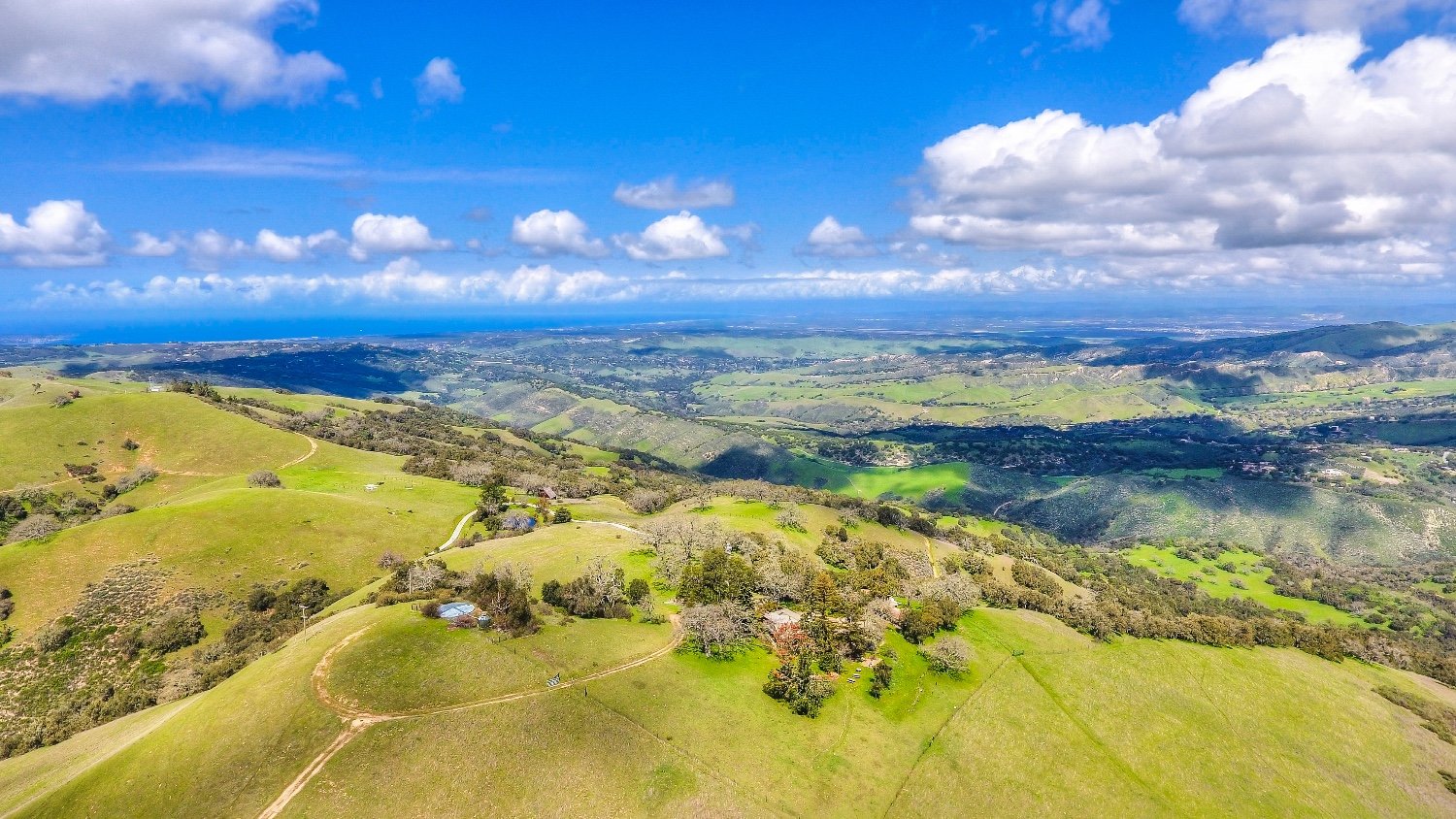
Selling Carmel Valley ranches depends on parcel-level facts a generic listing can't supply: zoning and lot status, water source, legal access, wildfire exposure, and habitat constraints. An agent who verifies these before launch prices more accurately, answers buyer questions faster, and avoids surprises during due diligence.
How does local knowledge change a ranch sale in Carmel Valley?
Selling Carmel Valley ranches is a parcel-by-parcel exercise, not a neighborhood-average exercise. The facts that decide price and timeline are zoning and legal lot status, the water source, legal access, wildfire exposure, and environmental constraints on the land. An agent who has verified those items before launch can price with confidence and answer a buyer's hardest questions on the first call.
Key Takeaways
- The most recent MLSListings report, for September 2026, shows a Pebble Beach single-family median sale price of $2,550,000 and 35 median days on market, but those figures describe a different segment than a Carmel Valley ranch and should not be used to value one.
- Gross acreage is not usable acreage: slopes, drainage, setbacks, riparian areas, oak trees, easements, and septic limits shape what a buyer can actually do with the land.
- A ranch needs a documented water source (public connection, private well, shared well, spring, or pond), and an existing legal source is not the same as a right to add new development.
- Marketing words like "buildable," "subdividable," or "horse property" need to be backed by county records, permits, and title documents before they appear in a listing.
- Ranch due diligence often involves planning, title, well, septic, survey, engineering, environmental, and insurance review, so the timeline depends on the parcel's complexity.
What Does Selling Carmel Valley Ranches Require That a Standard Home Sale Doesn't?
It requires a parcel-level planning file assembled before the property goes on the market. A conventional home can often be evaluated through a standard inspection and title review. A ranch carries layers of land-use, water, access, and environmental questions that a listing description can't answer.
Start with the parcel, not the marketing description
Monterey County regulates development through zoning, the General Plan, area plans, coastal regulations where applicable, and site-specific permits. The County of Monterey Housing and Community Development department is the source for that review. William's starting point on a ranch listing is the assessor's parcel number, then a check of:
- Zoning and General Plan designation
- Legal lot status and allowed uses
- Prior permits and any code-enforcement history
- Recorded conditions on the property
- Agricultural, scenic, habitat, slope, or hazard overlays that may apply
Whether a particular parcel carries any given overlay is a property-specific question. Confirm yours with the County rather than assuming it from the area.
Map the usable land, not just the gross acreage
Buyers of acreage ask what they can do with it. A local review separates total acres from the practical building envelope after accounting for slopes, drainage, setbacks, riparian areas, oak trees, habitat, septic limitations, easements, roads, and utility corridors. Monterey County planning review can involve sensitive habitats, oak woodland, and agricultural resources, and those conditions can affect grading, roads, septic systems, fencing, and accessory structures.
Carmel Valley is not one uniform setting, either. Our breakdown of Carmel Valley's Village, mid-valley, and ranch areas shows how much the land itself changes from one stretch to the next.
A quick reference for the ranch file
| Item | What to verify | Where the record comes from |
|---|---|---|
| Zoning and lot status | Zoning, General Plan designation, legal lot status, allowed uses, overlays | County of Monterey Housing and Community Development |
| Water | Source type, well or connection records, production or capacity where applicable | Monterey Peninsula Water Management District; Monterey County Water Resources Agency |
| Access | Legal access, recorded easements, gates, road-maintenance obligations, bridges and culverts | Monterey County Recorder; County of Monterey Public Works |
| Wildfire | Hazard designation, driveway clearance, turnarounds, defensible space | CAL FIRE Fire Hazard Severity Zone mapping |
| Environmental | Habitat, riparian corridors, oak woodland, slopes, drainage | County of Monterey Housing and Community Development |
| Improvements | Permits matched to barns, stables, arenas, wells, tanks, and outbuildings | County permit records |
How Do Water, Access, and Wildfire Details Shape a Ranch Sale?
They shape it more than almost any other factor, because each one can change what a buyer is willing to pay or whether a buyer can finance and insure the property at all. These are also the three areas where a generic "Carmel Valley" label tells you the least.
Water: document it in operational terms
Water availability is a material due-diligence issue in the valley. The Monterey Peninsula Water Management District administers groundwater and water-supply programs affecting the Monterey Peninsula, while the County separately regulates land use and development approvals. The Monterey County Water Resources Agency monitors the aquifer system through regional groundwater programs.
For your ranch, the useful question is practical: is the source a public connection, private well, shared well, spring, or pond, and what records exist? William's job is to separate an existing legal water source from a future development right. A well that supports the current house and pasture does not automatically support a second residence, and a buyer's advisors will ask. Verify which district, well, meter, allocation, or connection documentation applies to your parcel before you list.
Access: ranches are not suburban lots
Private roads, shared driveways, gates, and creek crossings are routine on rural parcels and rare on conventional lots. A buyer's investigation may need to address recorded easements, shared-road maintenance, bridge or culvert access, emergency access, driveway grades, and whether utilities are public or private. Those answers come from title, survey, engineering, and county records for your specific property. They cannot be borrowed from a neighbor's parcel.
Any buyer planning to widen, pave, grade, or change drainage may also need separate approvals. Knowing that up front lets William present the road as a documented asset instead of an open question.
Wildfire: treat readiness as market preparation
California's fire-hazard mapping, maintained by the California Department of Forestry and Fire Protection, identifies state responsibility areas and fire-hazard severity zones. The designation depends on the parcel's location and the map version, so a broad "Carmel Valley" label doesn't resolve it. What does help a sale is a current picture of:
- Fire-hazard designation for the parcel
- Driveway clearance and turnarounds
- Defensible-space and vegetation-management conditions
- Water storage and backup power
- Insurance availability
These details affect buyer confidence and transaction timing even when they don't change the property's legal use.
How Do You Price a Ranch When Comparable Sales Are Scarce?
You price it from the property's own documented attributes and the most relevant segment of sales, not from the nearest high-value market. Carmel Valley ranches may compete in a rural, acreage, agricultural, or equestrian segment that behaves differently from a coastal residential area.
Why nearby numbers can mislead
The most recent MLSListings report, for September 2026, shows Pebble Beach single-family results of 34 active listings, 11 closed sales, a median sale price of $2,550,000, 35 median days on market, and 5.6 months of inventory. Redfin's separate measure for the three months ending August 2026 reported a median sale price of $4.1 million and an average of 72 days on market for Pebble Beach.
Those two datasets differ because of geography, property samples, and methodology, which is a good reminder that a single statistic should never be taken at face value. More importantly, both describe Del Monte Forest homes. Neither is a Carmel Valley ranch statistic. A Pebble Beach comparable should not be chosen just because it's nearby or sits at a similar price point.
For a ranch, William weighs acreage, usable land, water, access, improvements, and condition against whatever genuinely comparable sales exist, then explains the gaps honestly. If you want a wider read on how to interpret local figures, see our piece on reading Monterey Peninsula market trends. Buyers researching the other side of the table can start with our guide to buying a home in Carmel Valley.
What Should a Ranch Sale Package Include Before Launch?
It should include a complete inventory of the land and its improvements, matched against county permits and recorded documents. A ranch sale goes better when the buyer's questions have already been answered in writing.
Build the agricultural and equestrian inventory
List permitted and unpermitted structures, barns, stables, arenas, fencing, wells, tanks, irrigation, agricultural fields, livestock facilities, solar or backup systems, and maintenance records. Each improvement should be checked against county permits and recorded property documents. An unpermitted structure found by a buyer's advisor in week three is far more damaging than one disclosed and addressed in week zero.
William has sold numerous ranch and horse properties, is an equestrian himself, and has helped assemble specialist teams for ranch, vineyard, and major pre-sale improvement projects. That experience shows in how the inventory gets built: someone who understands how a barn, arena, or pasture system actually works spots the missing records first.
Be careful with words like "buildable" and "horse property"
Terms such as "buildable," "subdividable," "water-rich," "horse property," and "unrestricted" should be supported by current county records, permits, title documents, and professional reports. Existing use does not by itself establish permission for expansion or a new use. Overstating development potential invites a retrade or a failed contingency, and understating it leaves value on the table.
Allow time for specialist review
A ranch may require coordinated planning, title, well, septic, survey, engineering, environmental, forestry, and insurance review. How long that takes depends on the parcel's complexity, and no single Carmel Valley schedule fits every property. William would rather spend the time before launch getting the file, the price, and the presentation right than spend months afterward explaining why a ranch isn't selling.
Your specific parcel's file is where a consultation starts. A local review of your zoning, water, access, and fire details will show what needs attention before you go to market.
You can read what past clients say about working with William on Google, Zillow, and Realtor.com.
FAQ
Can I build another home, guesthouse, barn, stable, or agricultural structure on my ranch?
It depends on your parcel's zoning, legal lot status, allowed uses, and development constraints, all of which are confirmed through County of Monterey Housing and Community Development. Water availability, habitat, slopes, and septic limits can also affect what's possible. Existing structures don't by themselves establish permission to add more, so verify before you market any development potential.
How do I verify water rights, well records, and future development potential?
Start by identifying the source (public connection, private well, shared well, spring, or pond) and locating the available records and any production or capacity information. Then confirm which district, meter, allocation, or connection documentation applies to your parcel. An existing legal source supports existing use, and whether it can support added improvements is a separate question.
Who is responsible for maintaining a private road or shared driveway in Carmel Valley?
The answer is in your recorded documents, not in any valley-wide rule. Recorded easements and road-maintenance agreements, found through title review and the Monterey County Recorder, set out who maintains what. Gates, bridges, and culverts should be reviewed at the same time.
How do wildfire zones and evacuation access affect the sale of a ranch?
They affect buyer confidence, insurance questions, and timing, even when they don't change the property's legal use. The applicable fire-hazard designation depends on the parcel's location and the map version. Current information on driveway clearance, turnarounds, defensible space, water storage, and backup power helps buyers evaluate the property with fewer surprises.
Does an existing agricultural or equestrian use transfer automatically to a buyer?
Don't assume it does. Existing use doesn't by itself establish permission for expansion or a new use, so match each use and structure against county permits and recorded property documents. William helps sellers confirm that picture before a buyer's advisors do.
The Bottom Line on Local Knowledge
Selling Carmel Valley ranches well comes down to knowing your parcel better than the buyer's advisors do, then presenting it with documents rather than adjectives. If you're considering a sale, schedule a consultation for a Home Valuation and William will walk through your land, water, access, and improvements with you. You can also request a ranch conversation to discuss timing and preparation for your property.
Equal Housing Opportunity. William Smith, Founding Broker, Carmel Luxury Group at Coldwell Banker Realty, regulated by the California Department of Real Estate (CA-DRE). Affiliated real estate agents are independent contractor sales associates, not employees. This article is general information, not legal, tax, or financial advice; confirm your own numbers with your title company, tax advisor, or lender.